How Changing Seasons Impact Our Lifestyle and Habits
The changing seasons bring about numerous shifts in our lifestyle and habits. From the scorching heat of summer to the crisp air of fall, the impact of each season on our routines, emotions, and physical well-being is profound. In this article, we will delve into how the transition from one season to another influences our daily lives, from health to fashion choices and even our work-life balance.
The Seasonal Shift and Its Effect on Mental Health
As the seasons change, so does the human psyche. Many people experience shifts in mood, energy, and even behavior. Seasonal affective disorder (SAD) is a well-documented phenomenon where individuals experience depression or other mental health struggles during the transition to fall and winter. This condition is primarily linked to the shorter days and lack of sunlight, which can affect serotonin levels in the brain.
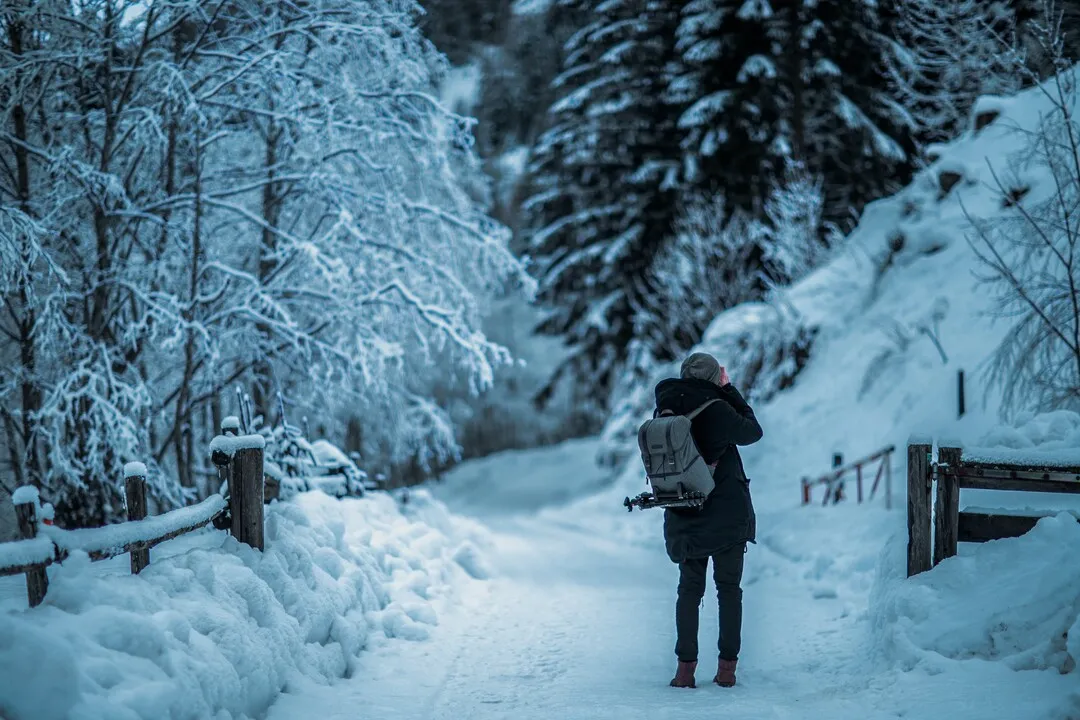
Winter often brings a sense of isolation for many, as the days become shorter, and the cold weather keeps people indoors more frequently. On the other hand, spring tends to uplift spirits, as longer days and brighter sunlight trigger the production of serotonin, leading to higher energy levels and positive emotions. These changes in mental state can affect productivity, motivation, and social interactions.
Impact on Physical Activity and Health
The changing seasons significantly affect physical activity levels. During summer, the warm weather encourages outdoor activities like hiking, cycling, and running. People tend to spend more time outside, engaging in physical activities that are often not as appealing in colder months. The summer season supports higher energy levels, leading to increased participation in sports and exercise routines.
As the colder months approach, fall and winter often bring a slowdown in outdoor activities. The cold air and early sunsets can make outdoor exercise less inviting. Many individuals find it harder to stay motivated to work out during these months, and gyms see a rise in membership as people seek indoor alternatives. However, fall offers a unique opportunity for activities such as hiking through colorful foliage, providing a perfect balance between outdoor engagement and cooler weather.
Moreover, the colder months bring challenges for the immune system. The change in weather exposes individuals to a higher risk of colds, flu, and other seasonal illnesses. It becomes crucial to adapt our diet and exercise habits accordingly to stay healthy through the changing seasons.
Shifts in Diet and Eating Habits Across Seasons
Our eating habits also undergo a transformation with the seasons. Summer is typically associated with light, refreshing meals, such as salads, fruits, and cold dishes that are both hydrating and energy-boosting. The heat encourages people to opt for foods that are lighter on the stomach and provide necessary hydration to combat the summer heat. Seasonal fruits such as watermelon, berries, and citrus are abundant, offering a boost of vitamins and hydration.
As the weather cools down in fall, people tend to crave heartier meals that provide warmth and comfort. The diet shifts towards heavier foods like soups, stews, and roasted dishes. Root vegetables, pumpkins, and apples, which are seasonal in the fall, are commonly incorporated into meals. These foods are rich in nutrients that help to boost the immune system and keep the body energized during colder days.
In the deep of winter, people often seek indulgent, rich meals that are both comforting and filling. Winter meals are frequently centered around higher-calorie foods that provide the body with energy and warmth. However, this time of year also sees an increased need for foods rich in vitamins, especially vitamin D, to combat the lack of sunlight.
Spring brings a return to lighter meals as the weather warms up, with a renewed focus on fresh greens, fruits, and smoothies that help detox the body after a winter of heavier foods.
Fashion and Wardrobe Choices in Different Seasons
Fashion choices undergo significant shifts with the changing seasons, reflecting both the practical need to stay comfortable and the desire to embrace the aesthetics of each time of year.
During summer, lighter fabrics such as cotton, linen, and moisture-wicking materials become the go-to fabrics for clothing. Summer fashion tends to be more vibrant, with bright colors, breathable fabrics, and sleeveless styles dominating the wardrobe. Sun protection becomes essential, leading to the popularity of sunglasses, hats, and sunscreen.
As fall arrives, fashion begins to lean towards layers and comfort. Sweaters, scarves, and boots become staples, providing warmth while maintaining style. The colors of fall are rich and earthy, with shades of brown, orange, and deep green taking over the fashion scene. The transition from summer to fall often sees people experimenting with layering, combining both summer and fall pieces to stay adaptable to the changing temperatures.
In winter, heavier fabrics like wool, fleece, and down jackets are essential for staying warm. Outerwear becomes the focal point of winter fashion, with stylish coats, gloves, and hats necessary to face the cold. Layers are key, allowing individuals to adjust their outfits depending on whether they are indoors or braving the elements outside.
When spring arrives, fashion takes on a lighter, more airy feel. Lighter jackets, denim, and floral prints become popular. The season symbolizes renewal, and people often opt for pastels and bright colors, reflecting the optimism of warmer days. The shift from cold to mild weather requires adaptable clothing, making spring fashion both practical and stylish.
Changes in Social Life and Leisure Activities
Our social lives and leisure activities are heavily influenced by the seasons. In summer, people tend to spend more time outdoors, enjoying barbecues, beach outings, and festivals. Summer is synonymous with travel, as many individuals take vacations to take advantage of the warmer weather and longer days.
As we transition to fall, outdoor activities shift towards enjoying nature’s beauty. Hiking, apple picking, and fall festivals are popular activities, as people embrace the change in weather and scenery. The crisp air and fall foliage encourage people to spend time outdoors, yet the weather remains comfortable enough to enjoy being outside.
Winter sees a decline in outdoor socializing due to the cold temperatures, but it brings new opportunities for indoor activities. People gather for holiday celebrations, winter sports such as skiing and ice skating, and cozy indoor experiences like movie nights and board games. The social calendar fills with family gatherings, New Year’s parties, and cozy indoor gatherings around the fireplace.
In spring, socializing begins to shift back outdoors. People return to parks, beaches, and outdoor events, eager to enjoy the pleasant weather after a long, cold winter. Spring also marks the beginning of travel season, with vacations, road trips, and outdoor festivals becoming more common.
Work-Life Balance and Productivity
The impact of seasonal changes extends to our professional lives as well. The transition from summer to fall often signals a shift in work focus. People tend to return from vacations and summer breaks, bringing a renewed sense of productivity. However, the arrival of shorter days in fall can lead to a dip in energy levels, making it important for workers to adjust their work habits accordingly. The fall season also heralds the beginning of the holiday season, which can create both opportunities and challenges in the workplace.
In winter, the lack of sunlight and colder temperatures often mean less motivation to go to work or stay focused. However, for many people, the winter months provide an opportunity for deep work and reflection, as the slower pace of life allows individuals to focus on personal development or work on projects that require undivided attention.
As spring brings renewed energy, so does the work-life balance. The return of longer days and milder temperatures can boost morale and productivity. People often feel more energized and ready to tackle new projects as they embrace the seasonal shift toward growth and renewal.
Conclusion
The changing seasons have a profound impact on our lifestyles and habits. From mental health to physical activity, diet, fashion, and social interactions, the seasonal shifts offer new opportunities and challenges that we must adapt to. By recognizing these shifts and adjusting our routines accordingly, we can maintain balance and make the most of what each season has to offer.