Explore the Latest AI Trends in Generating Ultra-Realistic Animal Photos
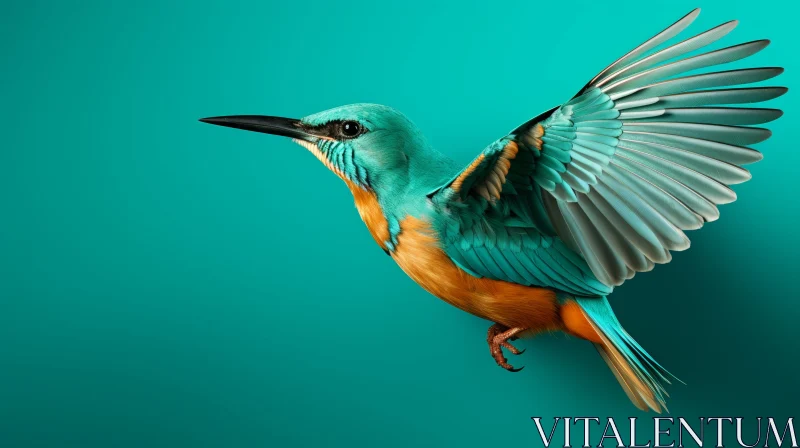
AI is changing how we see animals in photos. It’s not just editing. It’s creating. With advanced tools, machines now generate animal images so real, you can’t tell they’re fake. From forests to backyards, AI brings wildlife to life—down to the tiniest detail. One of the most stunning examples? AI animal art collection that shows every colorful wing pattern in perfect clarity. This isn’t sci-fi. It’s happening now.
How AI Learns to Draw Animals
AI doesn’t “think” like we do. It learns by example. Scientists feed it thousands of real animal photos. The AI studies them. It learns shapes, colors, textures, and lighting. Over time, it starts to create its images.
This process uses deep learning models. The most popular is called a GAN—Generative Adversarial Network. One part makes the image. The other checks if it looks real. They keep going until the result is flawless.
For animals, this means realistic fur, feathers, eyes, and movement. Even tiny details like a dewdrop on a leaf near a frog are included. The more data it gets, the better it becomes.
Butterflies Brought to Life with AI
Butterflies are small. Fragile. Hard to photograph in the wild. AI can generate images of rare species without disturbing them. It shows every vein in the wings. Every shimmer of color.
These images help scientists study patterns and colors linked to survival. They also help in education. Kids can zoom in on a digital monarch without harming a single insect.
Artists utilize these AI-generated butterflies in their designs, books, and animations. The results are breathtaking. A glowing blue morpho butterfly under rainforest light. A red admiral resting on a flower—all made from code.
Birds That Look Like They Could Fly Off the Screen
Birds move fast. They fly, dive, and hide. Capturing them in perfect light is tough. That’s why AI bird pictures are becoming so popular. They show birds in mid-flight, feeding chicks, or singing on a branch—with perfect clarity.
AI models can generate different angles and poses. Want a bald eagle with wings wide open? Done. A hummingbird sipping nectar at sunset? Easy. These images are used in field guides, apps, and nature exhibits.
Some birdwatchers use AI-generated images to learn species before heading out. It’s like a practice run. The more realistic the image, the better the learning.
Helping Protect Endangered Species
Many animals are at risk. Taking photos in the wild can stress them. AI offers a safer way to study and share them.
Conservation teams use AI to simulate animals in their habitats. They can test how changes in climate or forests affect them. These models help plan better protection strategies.
For example, AI can show how a rare bird might look in a restored forest. Or how a butterfly population could grow if flowers return. These visuals help get public support and funding.
No animals are harmed. No nests are disturbed. But the impact is real.
Making Nature Accessible to All
Not everyone can go to the Amazon or the Arctic. AI brings those places to you. Ultra-realistic animal images allow people to experience nature from the comfort of their own homes.
Schools use them in science classes. Museums project them on walls. Apps let kids interact with 3D animals on their tablets.
A student in a city can “watch” a virtual toucan in the jungle. A senior in a nursing home can enjoy a slideshow of glowing jellyfish or colorful parrots. These moments matter. They build love for nature.
AI and Cameras: A Powerful Team
AI doesn’t replace cameras. It works with them. In the wild, camera traps take endless photos. Many are empty. Sorting them takes time.
AI scans these photos in seconds. It finds animals, identifies species, and flags rare ones. It even logs time and location.
Drones with AI cameras follow flocks of birds or herds of deer. They do it quietly—no human noise. No pollution. The data helps scientists track animal health and migration.
When Art Meets Science
AI isn’t just for science. It’s also for art. Creatives use AI to blend animals with fantasy. A butterfly with galaxy wings. A bird made of fire and smoke.
These images go viral. They inspire stories, music, and fashion. But they also raise awareness. A digital snowy owl in a melting world can spark talks about climate change.
The key is honesty. Good creators label AI images. They don’t pretend they’re real photos. The goal is wonder—not deception.
The Tech Behind the Magic
Creating these images takes more than just AI. It takes good data. High-quality photos. And smart coding.
Developers train AI on clean, diverse datasets. They avoid blurry or mislabeled images. Biologists often help check accuracy.
Some tools let users tweak the AI output. Change the background. Adjust the lighting. Add rain or sunshine. This control makes the images even more useful.
What’s Next for AI and Animal Images?
The future is moving fast. Soon, AI won’t just make still images. It will create videos. A butterfly flapping its wings. A bird building a nest—all generated in real time.
Virtual reality safaris could become common. You’ll “walk” through a jungle and see AI animals behaving naturally. Schools might use them for immersive lessons.
As technology advances, so does responsibility. We must use it in a way that respects nature. Do not replace it. Every Butterfly AI Pic and Bird AI Image should remind us of the real creatures out there—waiting to be seen, protected, and loved.