Modern Trends in Residential Property Management
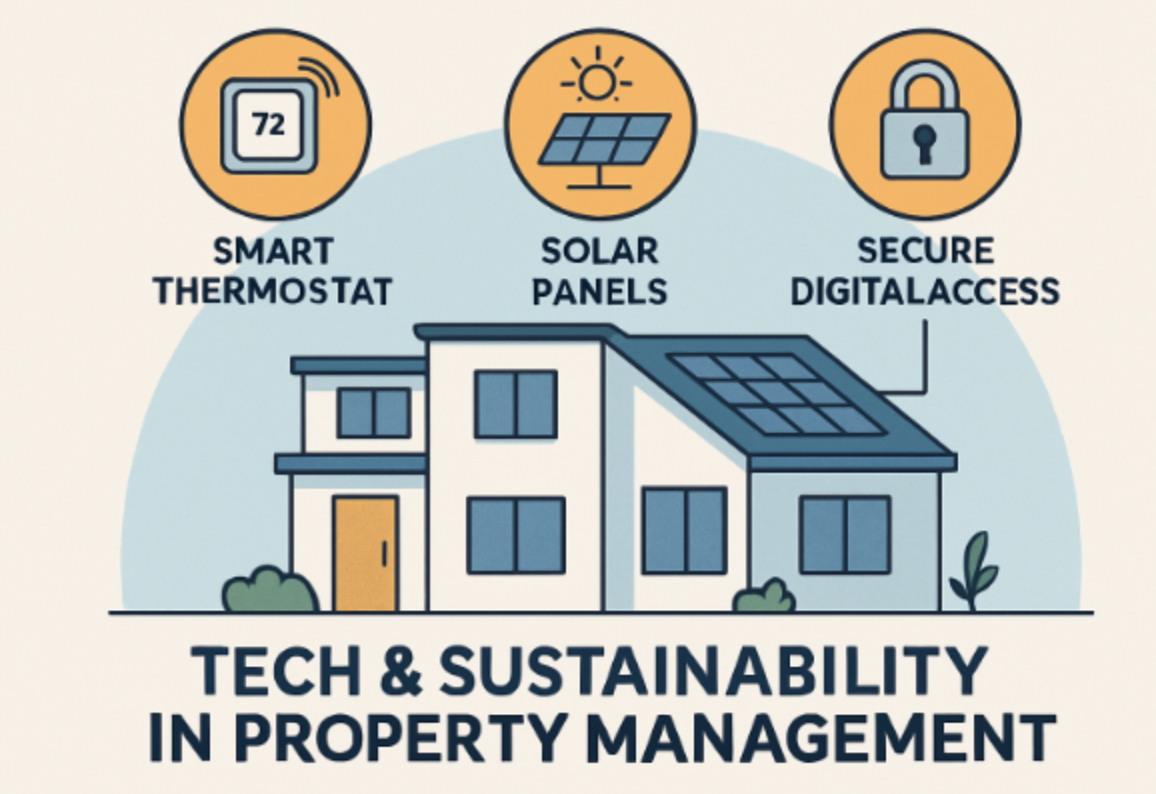
Table of Contents
- AI and Predictive Analytics
- IoT Integration
- Sustainability Initiatives
- Contactless Technologies
- Regulatory Technology (RegTech)
- Expanding Property Types
- Affordable Housing Focus
- Data-Driven Decision Making
As the property management field rapidly evolves, staying ahead of current trends is crucial for property managers and owners alike. Today’s landscape is shaped by smart technology, rising sustainability standards, and tenants who expect more personalized, seamless experiences. Forward-thinking firms like Brentwood real estate experts The Milam Group exemplify how adapting to these changes can enhance business performance and tenant satisfaction.
The digitalization of property management not only streamlines daily operations but also opens new avenues for growth, efficiency, and community impact. Emerging responsibilities, from adopting environmentally friendly practices to ensuring compliance amid ever-changing regulations, are that much easier when supported by innovation. Whether through AI, IoT, or robust data analytics, embracing change is essential for a thriving property management business in today’s market.
Modern tenants have significantly higher expectations for convenience, responsiveness, and sustainability. With changing demographics and more renters seeking flexible, connected living environments, industry leaders are driving value by investing in advanced technology, tenant engagement, and sustainability initiatives. These trends are not just optional upgrades—they are defining the future of residential property management.
Property management companies must respond with agility, integrating digital tools and environmentally responsible solutions that attract and retain today’s residents. Through diligent adaptation, managers can deliver both operational excellence and long-term value for tenants and property owners.
AI and Predictive Analytics
Artificial Intelligence (AI) has become a game-changer in property management, offering predictive solutions that streamline processes and identify cost-saving opportunities. AI platforms predict rent trends, optimize lease renewals, and flag maintenance needs before they escalate into expensive repairs. Technologies such as predictive maintenance can cut costs by up to 25% and extend equipment life by 20%—a benefit that resonates with property managers seeking to safeguard budgets and extend asset longevity.
IoT Integration
The integration of the Internet of Things (IoT) into residential properties delivers significant efficiencies. Smart devices enable remote monitoring and management of everything from HVAC and lighting to security systems. Automated readings and alerts free up time, while data-driven insights inform maintenance and resource management decisions. In multifamily buildings, adopting IoT has led to average operating cost reductions of 18% and efficiency gains of 20%, making it both practical and forward-thinking.
Sustainability Initiatives
Green practices are more than a trend—they’re a necessity. Today’s renters value buildings with sustainability features like solar panels, high-efficiency appliances, and eco-friendly materials. In fact, properties with green certifications see higher occupancy rates and command flexible rental premiums. According to the U.S. Green Building Council, green building practices bring measurable benefits, from energy savings to improved occupant health, reinforcing why these features are increasingly in demand. These environmentally conscious measures not only reduce utility costs but also benefit the community and the environment.
Contactless Technologies
Contactless solutions have become standard across the industry, boosting convenience for both tenants and property managers. Whether it’s mobile access to buildings, online rent payments, or remote property tours, technology removes friction from the leasing process. Automated platforms manage check-ins, process maintenance requests, and deliver updates in real time, significantly reducing the need for manual intervention and staff hours.
Regulatory Technology (RegTech)
Managing compliance with ever-changing regulations is a growing challenge in property management. RegTech solutions provide automated tools that help property managers stay up to date with requirements related to environmental impact, safety, and data privacy. By offering real-time monitoring and reporting, RegTech reduces the risk of non-compliance penalties and enables managers to focus on strategic improvements rather than paperwork and compliance tracking.
Expanding Property Types
The residential market is no longer limited to traditional apartment buildings. Property managers are diversifying their portfolios to include hotels, serviced apartments, and unique options such as glamping sites or tiny homes. This expanded service offering responds to growing consumer demand for flexible, experiential living environments, creating additional growth opportunities in both urban and rural markets.
Affordable Housing Focus
The shortage of affordable rental options is a widespread concern. Property managers play a key role in increasing housing accessibility through initiatives such as low-income housing tax credits, inclusionary zoning, and workforce housing developments. According to the National Low Income Housing Coalition, the U.S. currently faces a deficit of more than 7 million affordable rental homes for extremely low-income renters, underscoring the urgent need for innovative housing strategies and community-driven solutions.
Data-Driven Decision Making
Data analytics is revolutionizing how property managers evaluate performance and plan for the future. By leveraging real-time market data, AI algorithms, and sophisticated dashboard tools, decision-makers can forecast pricing trends, optimize vacancy rates, and tailor retention strategies to maximize net operating income. As a result, data-driven management allows for proactive rather than reactive strategies, delivering measurable improvements to both the bottom line and tenant satisfaction.
In conclusion, adapting to these modern trends is essential for residential property managers who want to provide exceptional tenant experiences and ensure operational excellence. Integrating technology, pursuing sustainability, and diversifying property offerings meet evolving market expectations, setting forward-looking property managers apart as trusted advisors and community builders.