Common Y2K Streetwear Mistakes (and How to Fix Them)
Not every Y2K outfit lands. Some read as genuinely stylish, and others end up looking like a themed party costume. The difference usually comes down to a handful of repeated mistakes, most of which are pretty easy to fix once you know what to look for.
Here’s what tends to go wrong, and the simple adjustments that fix it.
Mistake One: Going Too Literal
Buying pieces that look pulled directly from a 2003 catalog, worn exactly as they would’ve been styled back then, tends to read as costume rather than current fashion. The aesthetic works best reinterpreted, not recreated exactly.
Fix this by mixing one or two genuinely vintage-feeling pieces with modern basics. A throwback top with contemporary jeans looks completely different from that same top paired with equally throwback bottoms and accessories.
Mistake Two: Skipping the Fitted Base Layer
A lot of beginner outfits go straight to the loud statement piece without any structure underneath. Without a fitted base, the proportions that make Y2K silhouettes work just don’t happen, and the whole outfit ends up looking shapeless.
Adding baby tees fixes this specific problem instantly. Add one under your looser pieces and the silhouette snaps into place, giving the outfit that signature fitted-loose contrast the trend relies on so heavily.
Mistake Three: Too Many Statement Pieces at Once
Wearing every loud item you own in a single outfit is a common overcorrection. Bold top, bold bottoms, bold accessories — it ends up competing with itself instead of reading as a cohesive look.
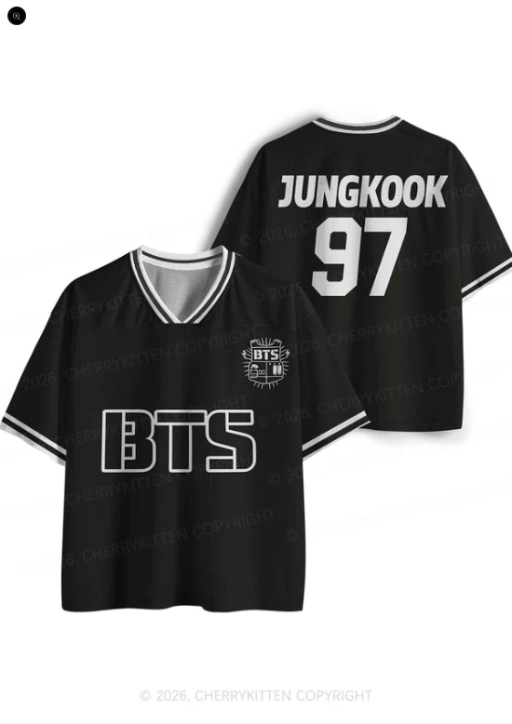
Pick one statement piece to lead the outfit and keep everything else simple. A y2k jersey paired with plain bottoms and minimal accessories reads more intentional than the same jersey stacked with five other loud items fighting for attention.
Mistake Four: Ignoring Fit and Proportion
Y2K silhouettes lean toward extremes for a reason — very fitted or very loose, rarely in between. A piece that’s just slightly too big or too small in an ambiguous way tends to flatten the whole look instead of contributing to it.
Try pieces on and pay attention to how they actually sit, not just how the size label reads. Sizing varies wildly between brands in this category, more than in most other clothing styles.
Mistake Five: Forgetting Comfort
An outfit that looks incredible for five minutes of photos but is miserable to wear for six hours isn’t actually working. Comfort has to factor into daily wear, even in a trend built around bold, dramatic silhouettes.
Prioritize fabrics with stretch, footwear you can actually walk in, and proportions that don’t require constant adjusting. The best Y2K outfits look effortless because they genuinely are comfortable, not despite looking that way.
Mistake Six: Overspending on One-Time Pieces
It’s easy to justify an expensive purchase because it’s “the perfect piece” for one specific look. But if that piece only works with one outfit, the cost per wear rarely justifies the price tag, no matter how good it looks in isolation.
Before buying anything expensive, mentally run through at least three different outfits it could work in. If you’re struggling to come up with more than one, it’s probably not worth the splurge just yet, even if it’s genuinely a great piece.
Mistake Seven: Copying an Outfit Exactly
Recreating an outfit you saw online piece for piece often disappoints once you’re actually wearing it, mostly because body proportions and personal style differ enough that the exact same combination doesn’t always translate the same way.
Use inspiration photos as a starting point, not a strict blueprint. Adjust proportions, swap colors, and change pieces based on what you already know works for your body and comfort level, rather than chasing an identical recreation.
Mistake Eight: Rushing the Whole Wardrobe at Once
Trying to build a complete Y2K wardrobe in a single shopping trip usually leads to impulse purchases and pieces that don’t actually coordinate well together once you get them all home.
Build gradually instead. A few solid pieces added thoughtfully each month creates a more cohesive, wearable wardrobe than a single large haul ever will, and it gives you time to notice what you’re actually drawn to before committing further.