Screen Print vs DTG vs Embroidery: Which Lasts?
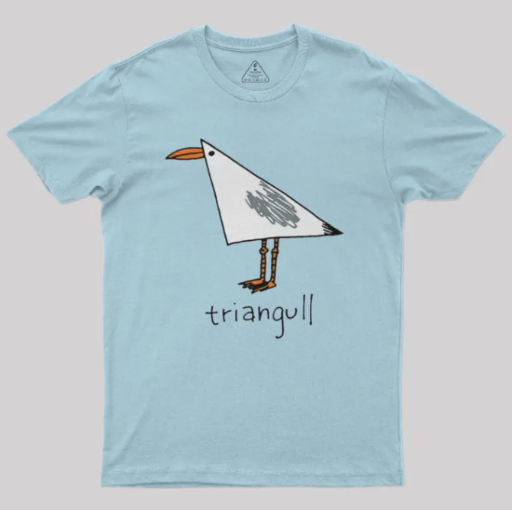
Flip over the tag on any printed shirt you own and you won’t find the one detail that predicts its lifespan. Not the cotton percentage. Not the brand. The print method — and almost nobody lists it.
That matters because two tees that look identical on day one can look wildly different after a year. One still has a crisp graphic. The other has a faded, cracked rectangle where the design used to be. The difference usually comes down to how the ink got onto the fabric.
The Three Methods, Plainly
Screen printing
Ink is pushed through a mesh stencil, one color at a time, directly onto the fabric. Each color needs its own screen. It’s the oldest commercial method and still the most common for large runs.
Feel: Slightly raised, sits on top of the fabric. Plastisol inks feel almost rubbery; water-based inks soak in and feel softer.
Strengths: Bold, opaque colors, even on dark shirts. Very durable when cured properly. Cost-efficient for 50+ units.
Weaknesses: Limited to a handful of colors. Photorealistic or gradient-heavy art gets expensive or impossible. Cheap plastisol can crack after repeated hot dryer cycles.
Direct-to-garment (DTG)
Think inkjet printer, but for cotton. The shirt goes in, the design prints straight onto the fibers, and it’s heat-set afterward.
Feel: Nearly nothing. The ink is in the fabric rather than on it.
Strengths: Unlimited colors, gradients, photo detail. No minimums — this is how print-on-demand stores work. Great for small independent designers.
Weaknesses: Colors can look muted on dark garments unless a white underbase is printed first. Quality varies a lot between printers. Fades faster than a well-cured screen print, especially with hot washes.
Embroidery
Thread, stitched into the fabric by machine. No ink at all.
Feel: Textured, raised, substantial.
Strengths: Outlasts everything else. Reads as premium. Doesn’t fade, though colors can soften slightly over years.
Weaknesses: Fine detail is limited — small text and thin lines don’t render well. Large designs get heavy and stiff. Costs more per piece.
What Happens After 50 Washes?
I ran an unscientific test a couple of years ago: three shirts, similar weight cotton, washed together cold and tumbled low roughly once a week.
The screen print (plastisol, from a band merch table) held up best of the two inked options. Minor hairline cracks at the edges by wash 40, colors still solid. The DTG shirt from a print-on-demand site looked great for about 15 washes, then started fading noticeably; by wash 50 the black had gone charcoal. The embroidered polo? Basically unchanged, apart from the fabric itself softening.
Your results will vary. A high-end DTG print on ring-spun cotton, washed inside-out in cold water, can look good for years. A rushed screen print with undercured ink can flake in a month.
Which Should You Choose?
It depends on the design more than the budget.
- Simple, bold design, one to four colors: screen print. It’ll look sharper and last longer.
- Full-color artwork, photo, or gradient: DTG is your only realistic option. Buy from a printer with a good reputation and wash it carefully.
- Small logo or motif on a polo, henley, or cap: embroidery, no question.
- Big design on a dark shirt that needs to pop: screen print with a white underbase, or a very good DTG shop.
One more category worth knowing: all-over sublimation, used for full-print garments like Geeksoutfit’s geek maxi dreses. The dye bonds into polyester fibers, so nothing sits on the surface to crack — but it only works on synthetics.
Specialty apparel stores often mix methods across their range for exactly this reason. Geeksoutfit’s geek shirts lineup, for instance, uses printed tees for its detailed sci-fi and pun artwork while the polos and henleys in the same store are embroidered — a small stitched design on a collar shirt survives office laundry far better than a print would.
Reading a Shirt Before You Buy
You can usually guess the method from photos and descriptions.
Product shots that show a slightly glossy, raised design on a dark shirt: screen printed, likely plastisol. Descriptions mentioning “soft-hand” or “water-based” ink: screen print with the softer ink type. Anything with photorealistic art, dozens of colors, or a “print-on-demand” note: DTG. Visible thread texture, or words like “stitched”: embroidery.
If a listing doesn’t say and you care, ask. Sellers who know their production will answer in one line.
How to Make Any of Them Last Longer
The care rules are nearly universal:
- Wash inside-out. Friction with other clothes is what wears prints down.
- Cold water only. Heat is the enemy of both plastisol and DTG ink.
- Skip the dryer when you can. Hang or lay flat. If you must tumble, use low.
- Never iron directly on a print. Turn it over or use a cloth barrier.
- For embroidery, avoid heavy fabric softener — it can loosen the stitching’s backing over time.
One Overlooked Factor: the Shirt Itself
A perfect print on a thin, low-quality blank still won’t last. The fabric pills, stretches out, and the collar goes wavy long before the ink fails. Ring-spun cotton or a good cotton-poly heather blend gives any print method a better foundation. When comparing two shirts at similar prices, the fabric is usually where the difference hides.
If you’ve got a drawer full of tees you love, check which ones have aged well and which haven’t. Odds are the survivors share a print method. That’s your answer for what to buy next.