Advancements in Dental Implant Technology: Enhancing Patient Outcomes
Key Takeaways:
- Modern dental implants offer improved functionality and aesthetics.
- Innovations like “smart” implants and AI-assisted surgeries are revolutionizing the field.
- Minimally invasive techniques lead to faster recovery times and reduced discomfort.
Introduction
Dental implants have rapidly evolved into the gold standard for replacing missing teeth, enabling patients to restore both the appearance and function of their smiles with impressive reliability. Unlike traditional bridges or dentures, implants provide a stable, permanent solution by anchoring directly into the jawbone and closely mimicking natural tooth roots. Thanks to ongoing breakthroughs in implant technology, today’s dental implant solutions offer not only enhanced effectiveness but also aesthetics nearly indistinguishable from natural teeth. Those seeking advanced dental implants in Roseville, CA, can benefit immensely from recent innovations that have transformed what is possible in restorative dentistry, leading to improved long-term satisfaction and confidence.
Modernized approaches in biomimetic (life-like) materials, intelligent design, and digital surgical planning make the entire treatment process more comfortable, efficient, and precise. These collective advancements streamline both the planning and placement experiences for patients and clinicians, enabling consistently reliable, tailored outcomes. The rapid pace of progress continues to reinforce dental implants as a cornerstone of contemporary dental care, making tooth loss far less daunting for patients than ever before.
Innovations in Implant Materials
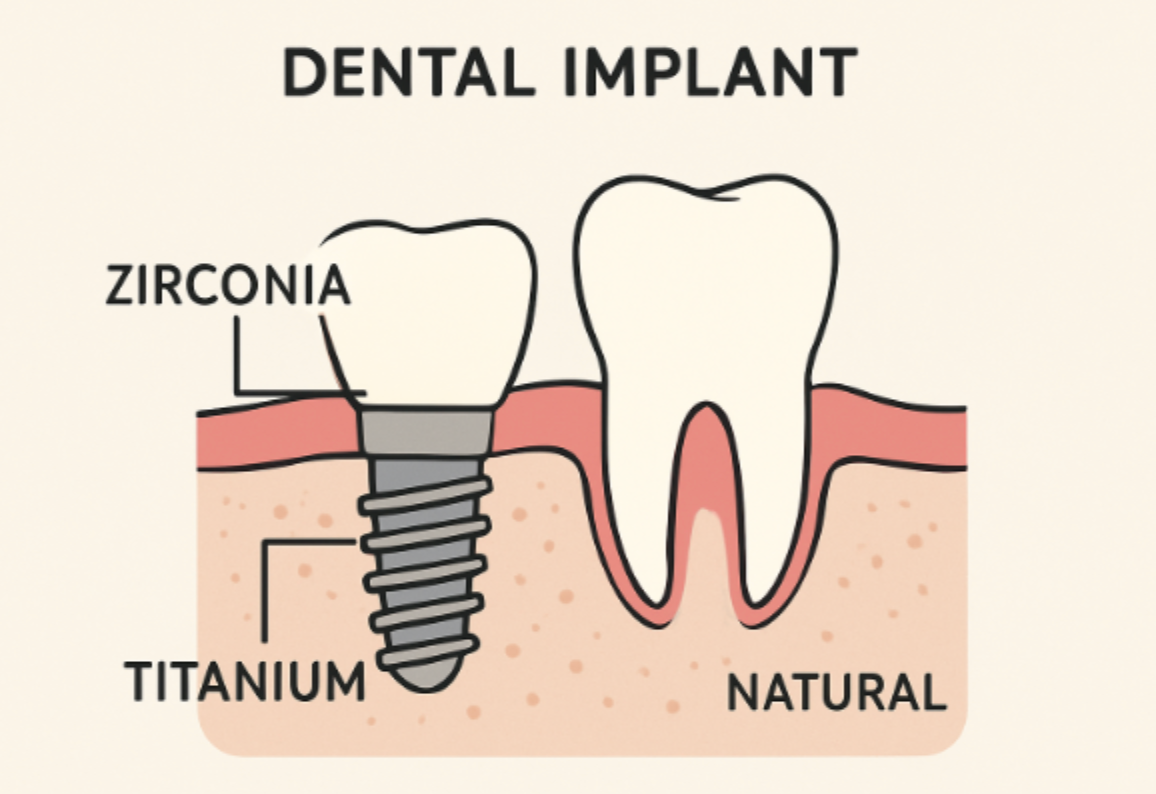
Historically, titanium has been the primary material used in dental implant fabrication. Its remarkable biocompatibility (meaning the body well accepts it) and notable strength have made it the industry standard for decades. One key advantage is titanium’s ability to bond to bone through a biological process called osseointegration, ensuring stable, long-lasting support for prosthetic teeth. However, patient preferences and technological advancements have given rise to new alternatives in recent years. Zirconia implants have become particularly appealing for those seeking a non-metal, tooth-colored solution, especially when replacing teeth in highly visible areas like the front of the mouth. Additionally, zirconia is hypoallergenic, making it ideal for individuals with sensitivities or allergies to metals.
Beyond the choice of base material, the latest research has focused on modifying implant surfaces to achieve even faster and more secure integration with the jawbone. Innovations in surface treatments such as plasma spraying, laser etching, and nanotechnology coatings are yielding remarkable improvements. These advanced treatments enhance the implant’s connection to bone at the microscopic level, creating conditions that encourage bone cells to attach and grow robustly around the implant fixture. With these enhancements, patients benefit not only from shorter healing times but also from stronger results and a lower risk of long-term complications. This means shorter downtime, fewer risks, and greater confidence in the outcome for each patient receiving dental implants.
Smart Implants Mimicking Natural Teeth
Among the most exciting advancements in recent years is the emergence of “smart” dental implants. These innovative devices are engineered to replicate not just the structural stability of natural teeth, but also some of their biological functions. Utilizing advanced, biodegradable coatings laced with growth factors or even stem cells, these implants actively promote the body’s own regenerative processes in and around the implant site. This innovation encourages nerve and soft tissue regeneration, potentially restoring sensory functions such as pressure sensitivity and temperature awareness that traditional implants often lack. As a result, smart implants can come remarkably close to replicating the nuanced feedback and comfort of natural teeth, representing a major leap in patient experience.
For patients, this translates not only into a restoration that looks and functions better, but also into an improved sense of connection—making the implant feel like a real part of the body rather than just a fixed prosthetic. These next-generation solutions mark a significant shift in how dental implants will serve patients, providing even greater confidence and satisfaction.
AI and Robotic Assistance in Implant Surgery
Technological advances have also dramatically improved the surgical aspect of dental implantology. The integration of artificial intelligence (AI) and robotic-assisted technologies is reshaping how dentists diagnose, plan, and execute implant procedures. AI algorithms now analyze and synthesize clinical and imaging data, such as digital X-rays and 3D scans, to develop bespoke surgical plans. This approach enables a customized implant placement strategy that accounts for each patient’s unique anatomy, bone density, and restorative needs. By simulating outcomes and predicting risks in advance, AI helps clinicians achieve optimal implant placement, reducing the risk of errors or unforeseen complications.
In the operating room, robotic-assisted systems enable dentists to perform implant surgery with unparalleled precision. Robotics can guide the handpiece during placement, ensuring every implant is inserted at the correct angle, position, and depth as pre-planned by digital software. This elevates accuracy, increases safety, and leads to better long-term results. For patients, this means a less invasive procedure, a lower risk of complications, reduced trauma to surrounding tissues, and a smoother overall recovery.
The use of AI and robotics has quickly established a new standard in implant dentistry—one that supports greater personalization, efficiency, and predictability for both practitioner and patient.
Minimally Invasive Techniques for Faster Recovery
Modern dental practice increasingly emphasizes minimally invasive techniques that aim to preserve healthy oral tissues while accelerating post-surgical healing. Traditionally, dental implant placement often involved raising a “flap” by cutting and lifting the gum tissue, which could result in increased bleeding, swelling, and patient discomfort. With advances in diagnostic imaging and surgical planning, many implant placements are now performed using a flapless approach. This involves placing the implant directly through the gum without large incisions, significantly reducing trauma to the area. As a result, healing is much faster, and patients experience less discomfort both during and after the procedure.
In addition, the growing popularity of immediate load implants—where a temporary but functional crown is attached immediately following implant placement—means suitable candidates can leave the office with a full smile on the same day as their surgery, dramatically improving quality of life during the healing phase. Techniques such as piezoelectric bone surgery and laser-assisted implantology also play a role, allowing even more delicate and precise manipulation of oral tissues. These methods are especially valuable for patients with challenging bone structures or underlying medical conditions, making dental restoration accessible to a broader group of people.
Immediate Loading Implants
The evolution toward immediate loading implants marks a fundamental improvement in convenience and patient care. Traditionally, after placing an implant, patients would need to wait several months for the titanium post to fully fuse with the jawbone before receiving their permanent crown. During this period, a temporary or removable prosthesis was used, which could sometimes affect speech, function, or confidence. Immediate loading techniques, however, allow the attachment of a fixed, aesthetically pleasing tooth on the same day as implant surgery. This means patients can enjoy improved dental function and appearance almost instantly, enhancing both comfort and self-esteem immediately following the procedure.
Long-Term Success and Durability
Multiple long-term studies affirm that when placed and maintained properly, dental implants can function flawlessly for many decades—often with over 95% success rates reported in the clinical literature. The choice of high-quality implant materials, careful surgical planning aided by digital technologies, and adherence to best practices in oral hygiene all contribute to this impressive reliability. Some individuals have enjoyed their dental implants for over 40 years without any significant complications. The predictable success and durability of implants not only restore essential chewing and speaking functions but also help to preserve jawbone health by stimulating bone maintenance where the natural tooth was lost.
For those considering dental implants as a permanent solution, this unparalleled longevity and functionality make them a wise, long-term investment in oral health and overall quality of life.
Conclusion
Pioneering innovations in materials, techniques, and digital technologies continue to propel dental implantology forward. Today’s patients have access to safer, faster, and more natural-looking tooth replacement options than ever before. Whether through the adoption of smart materials, AI-guided and robot-assisted surgery, or minimally invasive approaches that reduce discomfort and speed recovery, the field is continually striving to enhance patient outcomes.
As the technology continues to evolve, the future of dental implants promises even more individualized, effective, and aesthetic solutions—ensuring that patients can enjoy lasting oral health and renewed self-confidence for decades to come.