Best Practices for Implementing Commercial EV Charging Infrastructure

Key Takeaways
- Site selection should make chargers easy to access and use for a wide range of drivers.
- Smart management systems help balance costs and support efficient energy use.
- Pursuing incentives and subsidies reduces installation and operational expenses.
- Keeping up with emerging charging technology and best practices ensures lasting value.
As the adoption of electric vehicles (EVs) accelerates worldwide, commercial property owners are recognizing the value of providing EV charging solutions to tenants, employees, and visitors. Establishing this infrastructure does more than support sustainability efforts. It also positions your property as a forward-thinking, eco-friendly destination that can attract high-value clientele. In today’s competitive market, effective deployment of Blink’s commercial charging solutions helps businesses stay ahead by meeting the growing demand for EV charging and supporting future expansion needs.
When planning a commercial EV charging project, the details matter. Location, technology choice, funding access, and ongoing user experience are not just technical boxes to check. They are essential factors that determine long-term return on investment. Taking a strategic approach will ensure that your infrastructure is practical, reliable, and scalable for years to come.
Moreover, integrating technology from trusted EV infrastructure providers delivers proven reliability and advanced management tools, making it easier to roll out and maintain an effective charging program. As major companies and municipalities continue to prioritize low-emission transportation, robust EV charging networks are quickly becoming a must-have amenity. According to Reuters, global EV sales hit record highs in 2023, further underscoring the importance of scalable charging solutions.
Strategic Site Selection
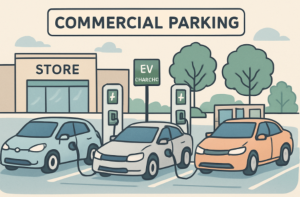
Selecting the appropriate site for EV charging stations has far-reaching implications for usability and return on investment. The most heavily used stations are located in high-traffic areas near amenities such as retail stores, restaurants, and restrooms. Placing chargers near key destinations makes them more visible, accessible, and appealing to drivers. For properties like shopping centers and office parks, clustering stations near entry points can boost convenience and encourage repeat use.
Collaborating with local governments or community organizations can also yield benefits. Co-locating EV charging with transit hubs, schools, and recreation spaces increases both the public value and usage of your network. An inclusive approach to site selection encourages adoption across diverse neighborhoods and user groups, supporting wider electrification goals.
Implementing Smart Charging Management
Smart charging management systems are the backbone of any effective commercial charging program. These platforms allow you to monitor energy use, track station performance, and adjust access controls and pricing in response to real-time demand. Dynamic load balancing can protect facility electrical infrastructure during surges in charger activity, while automated alerts help quickly identify and resolve technical issues.
Access to usage analytics provides actionable insights to optimize station placement and inform expansion decisions. Additionally, integrating with smart grids helps reduce operational costs and supports utility demand response programs, making your site a partner in regional energy resilience. Industry analyses from Forbes highlight how these smart solutions empower both hosts and drivers with a seamless, flexible charging experience.
Leveraging Funding and Incentives
Governmental and utility incentives can substantially lower the financial barrier to installation. Programs such as the Inflation Reduction Act offer tax credits covering a significant share of project costs, while state and local agencies may provide additional grants for commercial EV charging deployment. The National Electric Vehicle Infrastructure (NEVI) program is another nationwide initiative that offers funding for network expansion that meets federal standards for reliability and interoperability.
To maximize these opportunities, property owners should consult industry experts and government agencies during project planning to identify eligibility requirements and application procedures. Taking advantage of incentives not only accelerates project payback but also frees up capital for additional upgrades and site improvements.
Staying Updated on Technological Advancements
Rapid technological innovation is reshaping the commercial EV charging landscape. The latest chargers are more energy efficient, faster to install, and capable of delivering ever-higher power levels, reducing charging times for customers. Deploying modular hardware and software ensures that your system remains compatible with emerging vehicle models and grid technologies, avoiding costly retrofits down the road. Regularly reviewing industry news and participating in vendor demonstrations can help your property remain at the forefront of EV charging trends.
Ensuring Compliance with Standards and Regulations
Meeting regulatory requirements is non-negotiable for commercial EV charging. This includes rigorous electrical codes, Americans with Disabilities Act (ADA) accessibility mandates, and interoperability guidelines for different EV makes and models. Remaining compliant helps prevent costly retroactive modifications and mitigates potential legal liabilities. Proactive coordination with local permitting authorities helps you streamline installation and ensure your station is safe, reliable, and future-ready.
Providing User-Friendly Amenities
Creating a welcoming, efficient environment for EV users promotes greater satisfaction and repeat visits. Clear and visible signage, exterior lighting, and shelters provide safety and comfort during charging. Adding Wi-Fi access or integrating charging with rewards programs adds value for users waiting on-site. Offering a variety of payment options, including contactless cards and mobile apps, eases the experience for tech-savvy customers and facilitates efficient transactions.
Monitoring and Maintenance
Continuous monitoring and proactive maintenance extend the lifespan and effectiveness of your charging stations. Digital management tools allow facility teams to remotely track performance data and diagnose faults. Scheduling regular on-site inspections and cleaning helps catch problems early and maximizes uptime. Swift response to outages or malfunctions builds user confidence and reinforces a reputation for responsiveness, which is especially important for commercial properties seeking to differentiate their amenities from the competition.
Final Thoughts
Developing a robust commercial EV charging infrastructure is an investment that supports sustainability, attracts high-value tenants and customers, and ensures compliance with growing regulatory requirements. By following best practices centered on strategic site selection, advanced management technology, funding utilization, and continuous improvement, property owners can create a user-friendly, future-proof charging network. With the rapid pace of change in the EV market, proactive planning will deliver substantial returns for businesses, drivers, and the wider community.