How to Spot When Your Ceramic Coating Is Wearing Off
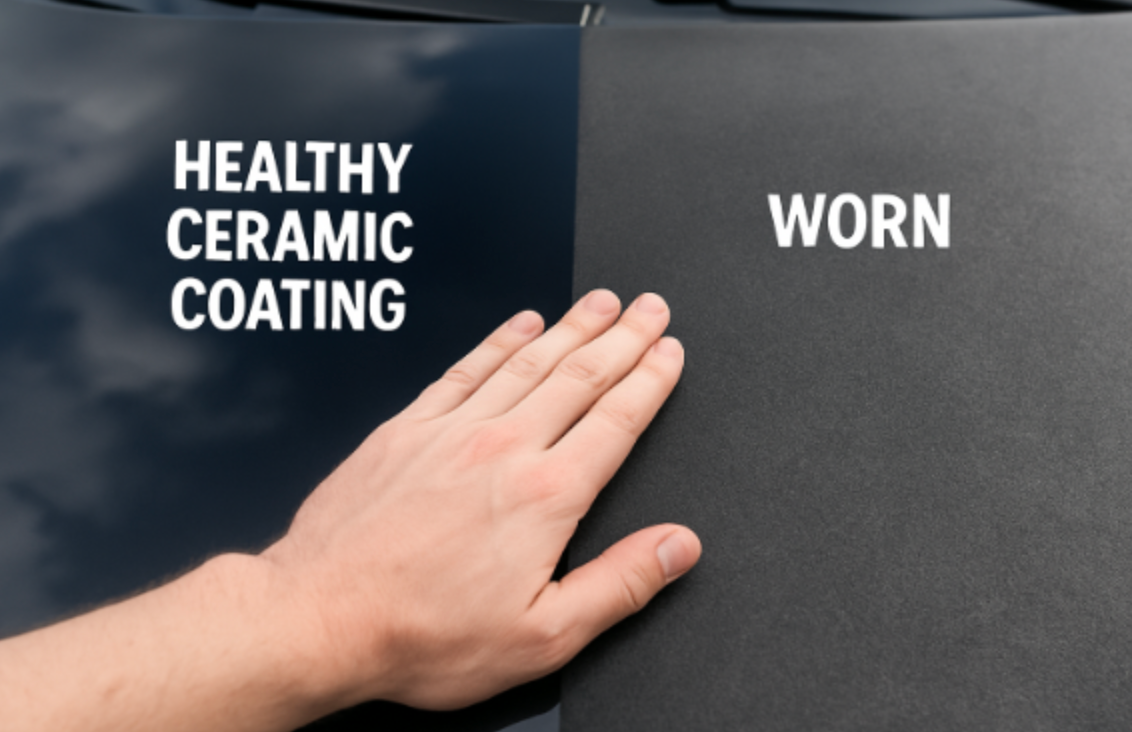
Table of Contents
- Diminished Water Beading
- Loss of Gloss and Shine
- Increased Surface Contamination
- Rough or Gritty Texture
- Presence of Swirl Marks and Scratches
- Reduced Chemical Resistance
- Difficulty in Cleaning
- Visible Water Spots
- Maintenance Tips
- Final Thoughts
Ceramic coatings are a popular choice among car owners seeking to protect their vehicle’s paintwork from harsh elements and achieve a long-lasting, radiant finish. This durable shield not only safeguards the surface against contaminants and minor abrasions but also delivers an unmistakable glossy effect. Over time, however, it is natural for this protective layer to degrade, which can compromise your car’s aesthetics and reduce the paint’s defense against damage. Recognizing the signals that your coating is failing can make a significant difference in maintaining your investment—and if you need expert ceramic coating for cars in Pantego, TX, professional help is available locally.
Preventing more severe damage begins with early detection and proactive care. Whether your vehicle is frequently exposed to sun, rain, or polluted environments, knowing how to check for warning signs will allow for quicker restoration and ongoing protection. Regular inspections can also make it easier to plan maintenance, extend the life of the coating, and keep your car looking showroom new.
Diminished Water Beading
One of the primary signs a ceramic coating is functioning well lies in its hydrophobic magic—the ability to repel water. A properly applied coating makes water bead up and roll right off the surface. As time passes, environmental wear and exposure can break down this effect, causing water to pool or sheet across the paint instead. Performing a simple water bead test after each wash can quickly indicate if your vehicle still benefits from a healthy layer of protection.
Loss of Gloss and Shine
A premium ceramic coating should deliver an impressive mirror-like shine that catches the light from every angle. If your car’s finish begins to look dull or loses its previous depth and clarity, it’s a clear sign that the coating has worn off. UV rays, acid rain, and routine washing can all contribute to this gradual decline, signaling it’s time to rejuvenate the surface or consult a professional.
Increased Surface Contamination
The slickness of a new ceramic coating repels stubborn dirt, tree sap, and even bug splatter. When your car starts attracting grime soon after a wash or requires more scrubbing than usual, the coating’s ability to ward off contaminants has likely weakened, signaling it might be time to search for automotive ceramic coating near me for professional reapplication or maintenance. Contamination that bonds more easily to the paint not only affects appearance but can also hasten underlying paint damage if left unaddressed.
Rough or Gritty Texture
A smooth glide under your hand, especially after a proper clean, is a strong indicator of an intact coating. If the paint feels abrasive, rough, or gritty, it’s a sign that contaminants are settling in and the coating no longer offers full protection. This sensation often accompanies the fading of shine and complicates washing routines for car owners.
Presence of Swirl Marks and Scratches
Although ceramic coatings provide a protective buffer against minor abrasions, they are not indestructible. As the protective layer begins to thin, your vehicle may become more prone to visible swirl marks and fine scratches during regular washing or from debris. More frequent occurrences of these blemishes mean the underlying paint is more exposed than before.
Reduced Chemical Resistance
Chemical resistance is a valuable feature of ceramic coatings, protecting against stains from bird droppings, bug remains, or harsh cleaners. Over time, if you find that such stains are harder to remove or leave lasting impressions on the surface, it’s a sign that your coating’s resilience has broken down. Acting quickly to remove any new, stubborn stains is vital to prevent further paint degradation.
Difficulty in Cleaning
One of the main appeals of ceramic coatings is the ease they bring to car washing routines. When the coating wears, dirt and grime begin to stick more firmly, requiring additional effort and sometimes repeated washing to restore the car to a clean state. If washing has suddenly become more time-consuming or less effective, this is another red flag signaling reduced coating performance.
Visible Water Spots
With a strong hydrophobic layer, ceramic-coated cars shed water quickly, reducing the risk of water spots. However, as the coating fades, water can begin to dry on the surface, leaving behind mineral deposits that show as water spots. Consistently battling water spots after each rainfall or wash points to waning ceramic protection.
Maintenance Tips for Prolonging Your Ceramic Coating
To ensure your ceramic coating lasts as long as possible, schedule regular inspections, use safe washing techniques, and avoid harsh chemicals. Applying maintenance sprays and drying with clean, soft microfiber towels can help preserve the hydrophobicity and gloss of your coating. When significant signs of wear appear, contact a reputable detailer for reapplication to restore full protection.
Final Thoughts
Ceramic coatings are an excellent investment for protecting your vehicle’s paint and maintaining a showroom-quality finish. However, no coating lasts forever, and recognizing the signs of wear—such as diminished water beading, loss of gloss, or increased surface contamination—allows you to take timely action before the underlying paint suffers damage. Routine maintenance, careful washing, and professional inspections are essential for prolonging the life of your coating. By staying proactive and addressing issues early, you can preserve both the aesthetic appeal and protective benefits of your ceramic coating, ensuring your car continues to turn heads while remaining shielded from environmental hazards.