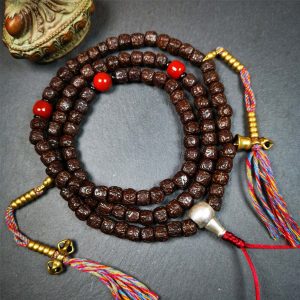
Karma Stone: Meaning, Use, Design, and Real-World Value

I’ve found that Karma Stone is less a scientific term than a cultural one, referring to stones believed to reflect intention, memory, and ethics. This is important because consumers often use the name to identify a particular type of mineral, even though it does not. The term can be used for decorative stone, amulet jewelry, and even spiritually oriented objects. Its meaning changes by context. A Karma Stone necklace purchased in a market, for instance, is not assumed to have the same requirements as architectural stone defined for flooring, environmental exposure, price, and maintenance and repair.
Why are people drawn to it
Karma Stone is also attractive because it offers more than aesthetic value. It provides the narrative promise of cause and consequence rendered in texture, weight, and behaviors. This attraction is no small matter. Things become significant when they are brokers of habit, and stone is good for that because it is slow going and solid. A faceted object on a desk can become a reminder to meditate and a carved object in the home can signify generational inheritance. The appeal is psychological, then aesthetic, then advertising.
Material or a message?
Where Karma Stone seller’s confusion lies is in the category error. Some vendors treat it as a monolithic geological material or as a frame of interpretation applied to different materials. It could be quartz or soapstone or marble or basalt or a composite. That creates a practical problem. If someone wants something durable, they are more interested in porosity than symbolism. If a ritual application is required, then handling and texture might be more important. Good decisions begin when we mentally separate minerals from the tales they come bundled with.
The role of symbol in design
Symbolism matters because people don’t use stone symbolically. A dark or heavy-looking field suggests prestige and stability; a white or light veining is seen as peaceful, even relaxing. Karma Stone products often exploit such symbols, but the design should explore how symbols work for a given purpose. A meditation space can withstand delicate finishes more so than a kitchen counter. A gravestone can be lovingly touched, but a public courtyard needs slip resistance, drainage considerations and easy repairs after a winter and summer of people traffic and weather extremes.
What buyers should check first
Sympathetic magnetism but not practicality The first serious question is not magical but materialist. Karma Stone buyers should consider the work’s setting, its public contact, and the kinds of damage it might sustain. Porous stones stain. Soft stones scratch. Stones are heavy to ship and handle. Such things are obvious, yet many bad buys arise because symbolic expressions hide them. You can prioritize finish and tactile qualities on a tabletop object, but not on an outdoor bench that will encounter water, heat, and abrasion. Wisdom begins with exposure, load, maintenance and replacement second.
Its role in homes and public buildings
At home, stone is successful when its characteristics complement everyday patterns. Entry surfaces need grit tolerance. Baths need slip resistance and a sealing procedure. Public spaces present new challenges because misuse is ever-present, housekeeping is protocol-bound, and repairs set schedules. Karma Stone can be great for both and it can be horrific if the function is not considered in terms of traffic, moisture and abuse. Designers who choose by mood tend to set up expensive replacement cycles. Designers who choose by traffic produce quieter places that don’t get you upset.
The difference between craft and mass production
Craft and mass production produce different values, and consumers should know it. One-off designs display imperfections, tool marks and slightly crooked contours that many consumers take to be signs of authenticity. Mass production leads to greater uniformity, cost savings, and greater replaceability. Neither is better or worse. Karma Stone, which is described as hand-finished, may only command a premium if one can see the value of time, material, and finishing skill. If the tale is long and the workmanship is average, expect a lesser price. Words to consider are edges, polish, joints and signs of use.
Environmental and ethical questions
Environmental statements should be checked given the weight of stone, the impact of extraction and the wide range of possibilities for transporting materials. Ethical assessments should address working conditions, safety, finishing techniques, and expected life. Sometimes Karma Stone marketing implies virtue by name alone, but names aren’t carbon-neutral and don’t ensure decent wages. High-quality, locally sourced stone may well be better than ethically sourced, imported stone. Longevity also matters. Finishes and products that weather well and can overall be repaired or refurbished cost less than those made only to symbolize purity.
Good quality without the jargon
Good quality is not as hard to spot as vendors claim. Consistent thickness, permanent seating, sharp edges, and finishes suitable for the expected use are all present. Aesthetic effects don’t equal durability. Subtle veining may be lovely, but can also represent planes of weakness in some materials. Karma Stone pieces intended for use should be both comfortable and beautiful. Pieces to be installed should have standard sizes and care instructions. If a merchant cannot clearly explain how to seal, clean, or assess risk, it is wise to be wary.
Final Thought
The worth of the material depends on the case. As an object, it may be worth it for symbolic support of routine or memory or focus on an emotion. As a building material or furnishing it is worth using only if the technical properties match the function. These are different concerns and must remain so. It’s worth paying for a story if it’s important to the owner. Paying for a story without paying attention to material considerations leads to disappointment, additional costs and waste.
FAQ
What does this term usually describe?
It is usually a cultural or commercial label rather than one fixed mineral type.
Is it good for everyday use?
It can be, but durability depends on the actual stone, finish, and setting.
Does it always have spiritual meaning?
No. Some people value symbolism, while others choose it mainly for design and texture.
How can I tell if the quality is good?
Check weight balance, finish consistency, edge quality, and whether care instructions are clear.
Is it sustainable?
Sometimes, but sourcing, transport distance, labor conditions, and lifespan matter more than branding.