The Future of Trucks: Innovations, Trends, and What Drivers Want

Table of Contents
- Introduction
- Electric Trucks: Charging Ahead
- Autonomous Driving: The Road to Self-Driving Trucks
- Connected Vehicles: The Digital Highway
- Advanced Safety Systems: Protecting Lives on the Road
- Aerodynamic Designs: Cutting Through the Wind
- Driver Comfort and Ergonomics: Enhancing the Driving Experience
- Sustainable Materials: Building a Greener Future
- Regulatory Changes: Navigating New Policies
Trucking is entering a new era, propelled by groundbreaking technology and shifting industry priorities. Whether you are a fleet operator, independent driver, or logistics manager, these advances will change how you approach every mile of the journey. Electric powertrains, digital connectivity, and new design philosophies are transforming trucks into modern mobility hubs, and drivers are seeking solutions as innovative as the cargo they haul. Those interested in exploring the latest models and upgrades can learn more about custom truck options tailored to evolving industry needs.
Efficiency, sustainability, and comfort are now crucial alongside cargo capacity and durability in the trucking industry. Innovations such as self-driving technology and aerodynamic improvements reflect a commitment to profitability and environmental responsibility. Operators must prepare for stricter emissions regulations and embrace digital compliance solutions while responding to drivers’ preferences in truck design. This guide examines key areas influencing the future of the trucking sector, focusing on technology, policy, and driver expectations.
Electric Trucks: Charging Ahead
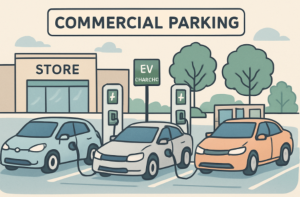
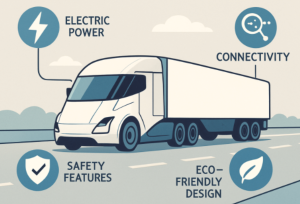
Driven by environmental awareness and major advances in battery power, electric trucks are fast becoming a reality across major highways. Manufacturers are launching electric models capable of handling long-haul routes, some promising over 500 miles on a single charge. The industry is also seeing rapid expansion in charging stations along key logistics corridors, making all-electric freight more practical and accessible each year. Large shipping companies are investing heavily in battery-powered fleets, attracted by lower fuel costs and regulatory incentives.
Autonomous Driving: The Road to Self-Driving Trucks
Autonomous driving technology is reshaping driver roles and fleet management. Companies like Aurora and Waymo are testing trucks along high-traffic routes, with some routes already operated under driverless supervision. By addressing issues such as driver shortages, reducing downtime, and improving road safety, autonomous trucks offer long-term benefits. However, regulatory consistency and public trust are still developing, and experts suggest mass adoption will occur in carefully phased deployments. The continued evolution mirrors changing logistics models and ongoing labor dynamics.
Connected Vehicles: The Digital Highway
Today’s trucks are more than just transporters; they are connected hubs providing a steady stream of real-time data. Integrated fleet management platforms use information from traffic, weather, and diagnostics to optimize routes and reduce operational risks. Artificial intelligence and cloud integration lead to smarter decisions, quicker maintenance alerts, and more reliable delivery windows. These systems are crucial for logistics companies aiming to blend flexibility and precision in an era of just-in-time shipping.
Advanced Safety Systems: Protecting Lives on the Road
Modern trucks are equipped with a suite of safety technologies that dramatically improve on-road protection. Features such as cameras, ultrasonic sensors, and adaptive cruise control now work with lane assist and emergency braking systems to reduce accidents. These innovations not only keep drivers safe but also elevate the industry’s overall reputation, reassuring the public and regulators about large-vehicle safety.
Aerodynamic Designs: Cutting Through the Wind
Reducing drag means significant fuel savings, which is why aerodynamics play a central role in truck design. Upgrades like optimized bumpers, side skirts, collapsible rear tails, and disguised wheel arches streamline airflow to minimize resistance. Even modest improvements in shape can yield noticeable savings in fuel or battery energy, making these changes vital for both environmental and economic impact over large fleets.
Driver Comfort and Ergonomics: Enhancing the Driving Experience
In a competitive market, the driver’s experience is front and center. Manufacturers are engineering trucks with larger sleeping areas, higher-quality bedding, and improved HVAC systems. Infotainment features with voice activation, integrated navigation, and touch controls reduce distractions and elevate comfort. Simple upgrades, such as ergonomic seats and improved cabin insulation, are also making time on the road more bearable and are key to driver recruitment and retention.
Sustainable Materials: Building a Greener Future
The commitment to sustainability extends into the materials and processes used in truck manufacturing. More brands are incorporating recycled plastics and renewable fibers into dashboards, panels, and even seating fabrics. This shift reduces industrial waste and sets a positive benchmark for environmental stewardship in heavy vehicle production. Movement in this direction also aligns with stricter regional and national EPA goals, creating new standards for truck builders to follow.
Regulatory Changes: Navigating New Policies
As emission and safety regulations continue to evolve, industry players must adapt swiftly. In the United States, new Environmental Protection Agency regulations are pushing for substantial reductions in greenhouse gas emissions from heavy-duty vehicles, while similar efforts are rolling out in Europe and Asia. Compliance is not only a legal obligation but an opportunity to modernize fleets, improve brand reputation, and gain new business opportunities with eco-conscious partners.
The trucking industry is at a moment of transformation. Those who prepare for emerging technologies, adapt to regulatory shifts, and place driver needs at the center will thrive in the years ahead. Staying informed and flexible allows industry professionals to ride the next wave of trucking innovation with confidence and efficiency.