LKR Meaning in Text: Currency Code, Prices and Travel Chats
You’re scrolling through a travel group, a freelancer chat or a message from a friend abroad, and someone types “LKR 45,000 for the week.” It doesn’t look like a word, and it isn’t slang in the usual sense. So what are those three letters doing there? Here’s a plain answer, along with a few ways to avoid mixing it up.
The short answer
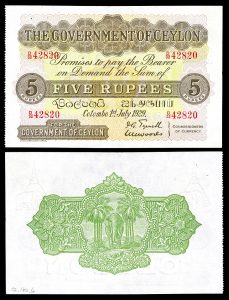
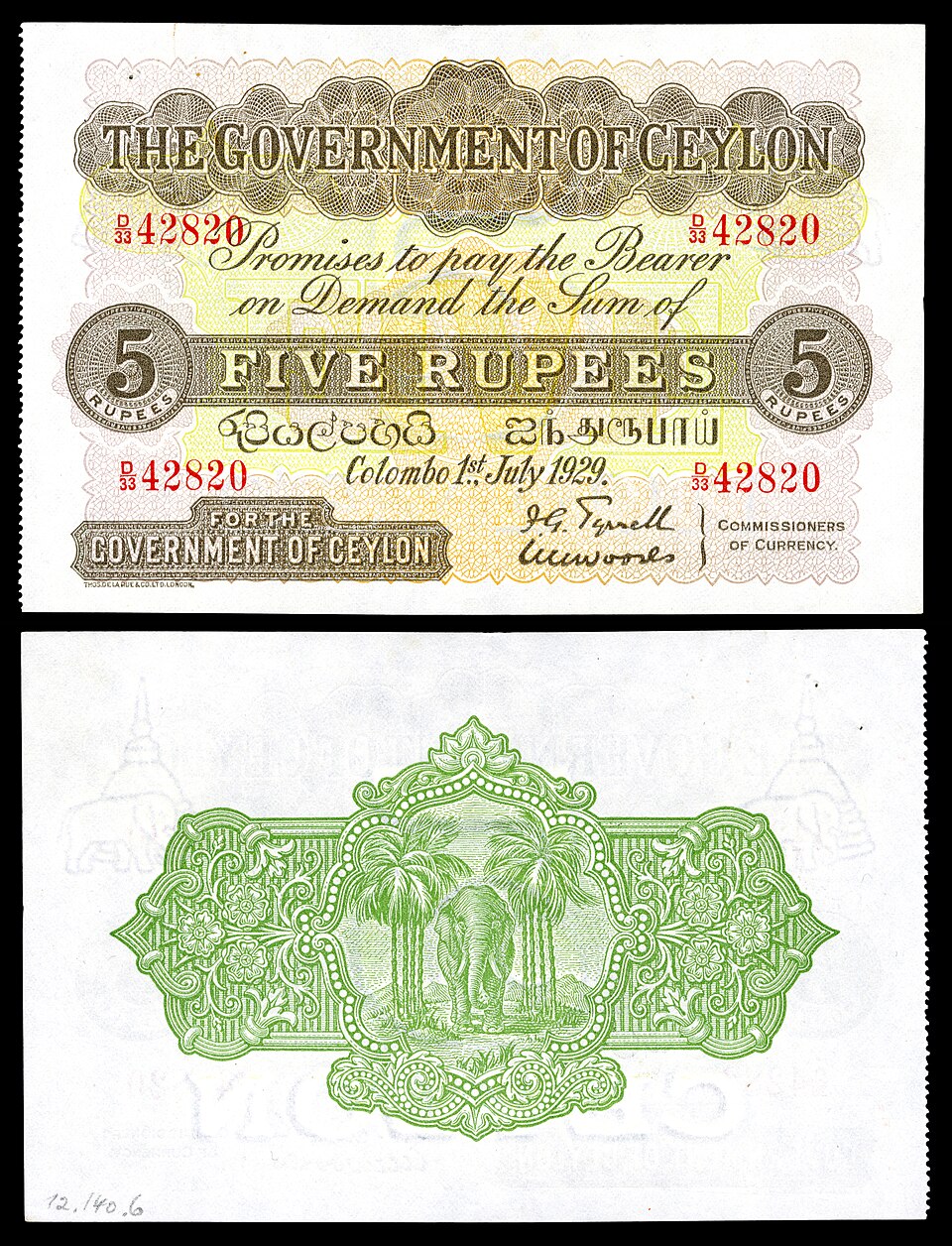
The lkr meaning in text most people run into is the Sri Lankan rupee. LKR is its official three-letter currency code, the same way USD stands for the US dollar and EUR for the euro. When you see it next to a number, it’s a price, a salary or a bill.
That’s why it appears in so many travel chats. Hotels, tour guides, tuk-tuk drivers and online shops in Sri Lanka often quote in LKR, and visitors repeat the figure when they ask friends whether it’s fair.
Where you’ll see it
Money talk is the main home for this code. A few common situations:
- Trip planning. “Guesthouse is LKR 8,500 a night, worth it?”
- Remote work. A client in Colombo might say, “Budget is LKR 120,000 a month.”
- Sending money home. Families abroad compare transfer fees and the rate against LKR.
- Online shopping. Marketplace listings often show “LKR” before the amount.
In all of these, the letters sit right next to digits. If there’s no number nearby, the writer probably means something else.
When it isn’t about money
Occasionally LKR is just a set of letters someone chose. It can be a username, a team nickname, part of a product code or someone’s initials. Without a figure beside it, don’t assume it’s currency. If you’re unsure, ask the sender, since guessing wrong in a business chat can be awkward.
It’s also worth remembering that it isn’t a common slang word like “idk” or “brb.” Nobody sends “lkr” as a reaction. If it appears alone with no context, treat it as a typo or a code until proven otherwise.
Reading prices without getting burned
Because the rupee has gone through sharp swings in recent years, any figure quoted in LKR can mean very different amounts in dollars from one month to the next. A hotel that cost the equivalent of fifty dollars a year ago might cost thirty now, or the other way round, depending on the rate that day.
A few habits help. Check the live rate before agreeing to anything. Ask whether a price is in LKR or already in dollars, since some sellers quote one and bill the other. And write the code beside every amount in your own messages, so there’s no confusion later.
A simple example
Say you’re organizing a group trip. One friend writes, “Train tickets are 3,500.” Is that dollars, rupees, or something else? Now compare it with “Train tickets are LKR 3,500.” The second line leaves no room for argument, and nobody ends up paying more than they planned.
The same rule applies to freelancing. If you agree on a rate in a chat, name the currency each time. It takes three letters and saves a lot of trouble.
A note on formatting
Style varies a lot. Some people write “LKR 3,500,” others put “Rs.” first, and a few add the code after the number. All of them mean the same thing, but mixing styles inside one chat makes totals harder to check. Pick one format for the whole conversation and stick to it, especially when several people are adding up shared costs.
Looking up unfamiliar codes
If you meet another short code you don’t recognize, a slang and abbreviation reference like meaningsverse.com can help you work out whether it’s a currency, a text shorthand or just a label. That’s quicker than searching three different sites.
Next time LKR shows up in your messages, check for numbers around it. If they’re there, you’re looking at rupees, and a quick conversion will tell you whether the price is fair.