Finding The Best Silver & Gold Coin Buyer in South Florida: 5 Tips for Sellers
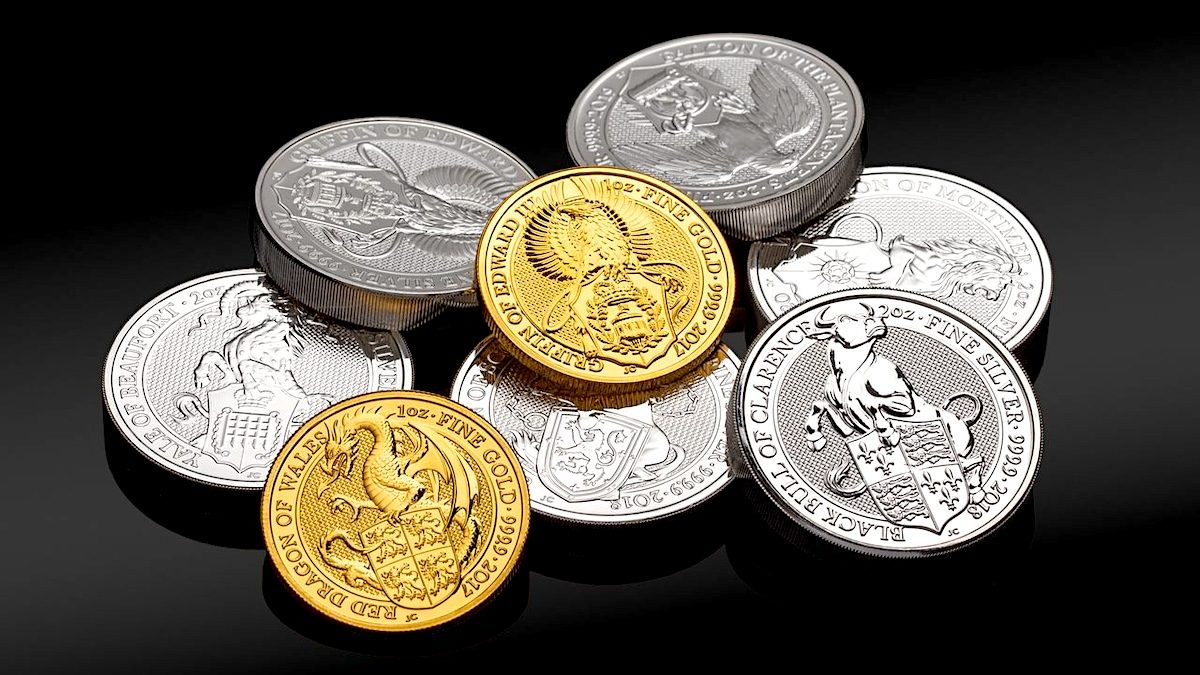
Selling silver and gold coins in South Florida can feel like navigating a super busy stretch of the A1A during peak season. The region draws in collectors, investors, and dealers from Miami up through Fort Lauderdale, West Palm Beach and Jupiter, drawn by the mix of wealth, tourism, and a steady flow of estate sales. Prices for precious metals shift daily with global markets, and local buyers range from small shop owners to larger operations that move significant volume. For sellers, the difference between a fair deal and a disappointing one often comes down to preparation and knowing what to look for.
South Florida’s market has its own unique rhythm. Hurricane seasons, snowbird arrivals, and international buyers from Latin America and Europe all influence demand. Coins that might sit longer in other parts of the country can move faster here when the right buyer is involved. Still, not every storefront that advertises high prices delivers the same experience. The goal is to walk away with one or more competitive offers, clear communication, and a transaction that feels easy and straightforward.
Here are five practical tips that help sellers identify stronger options among the many silver and gold coin buyers operating across the area.
Check Recent Transaction History and Local Reputation
Start with what other people who have sold coins actually say. Online reviews matter, but look past just the star ratings. Read the detailed comments about how offers compared to expected melt value or collector premiums. Pay attention to mentions of specific coin types—American Silver Eagles, pre-1933 gold, or foreign issues—because experience with those items will vary quite a bit.
Local reputation carries a lot of weight in South Florida, especially in high-end spots like Palm Beach, Boca Raton, and Miami. Ask around at estate sales, numismatic clubs, or even finding trusted buyers who handle gold and silver regularly. Some buyers have been in the same locations for decades and build steady relationships with repeat sellers. Others appear more recently and lean heavily on advertising. A buyer who consistently closes deals without last-minute price cuts tends to stand out over time. Cross-check names against any public records of business complaints when available. This step takes a little time but filters out operators who rely more on volume than on fair dealing.
Understand How They Calculate Offers
Not every buyer prices silver and gold coins the same way. Some will stick close to the current spot price for common bullion pieces and add modest premiums only for scarcer dates or better condition. Others may factor in current retail demand more aggressively in their pricing and offers. Ask early how they arrive at their numbers. Do they use live market feeds, published dealer sheets, or their own inventory needs?
In South Florida the presence of international clients can affect what certain coins bring. A buyer connected to overseas markets might pay more for specific Latin American or European pieces that local collectors overlook. Request a breakdown that separates melt value from any numismatic premium. Transparent buyers usually explain this without hesitation. If the explanation feels vague or the offer jumps around once the coins are on the table, that is useful information in itself. Comparing two or three written offers side by side often reveals who is working with realistic margins.
Look at Payment Methods and Transaction Speed
Cash, wire transfers, and certified checks remain common, but the details matter when it comes to selling. Some buyers can settle the same day for smaller lots; larger collections may require a short verification period. Confirm whether payment happens before the coins leave the premises or after an appraisal is finalized. In a market where metal prices can move several percent in a single session, delays introduce risk.
Ask about any holds or conditions attached to payment. A buyer who routinely processes larger transactions for estate attorneys or financial advisors in the region usually has systems in place that keep things moving. Avoid arrangements that require you to ship coins first or wait extended periods without clear milestones. Straightforward payment terms reduce friction and make the overall experience cleaner for both sides.
Evaluate Security and Professional Handling
Coins represent concentrated value. The best buyers treat them accordingly. Look for clean, organized spaces with proper lighting for examination, secure storage, and basic protocols for handling high-value items. In South Florida, where humidity and salt air are constant factors, proper packaging and climate awareness also signal experience.
Professional buyers typically weigh and test the coins in front of the seller or provide clear documentation of any testing methods used. They avoid pressure tactics and give space for questions. If a location feels rushed, cluttered, or unwilling to let you observe the evaluation process, consider moving on. Security extends beyond the physical space to how personal information and transaction records are handled. Sellers should feel comfortable leaving with both payment and a simple receipt that notes the items and the amount. Confidence and discretion matters, especially for higher volume transactions.
Compare Multiple Offers Without Overcommitting
One evaluation rarely tells the full story. Bring the same group of coins to two or three established buyers within a short window. Markets shift, and individual inventory needs change from week to week. A buyer short on silver rounds one month may pay more aggressively the next.
Keep the process efficient. Call ahead to confirm they handle the types of coins you have and ask about current interest levels. Arrive prepared with a basic inventory list—dates, mint marks, approximate weights, and any known grades. This saves time and shows you understand the material. Resist the urge to accept the first number simply because it sounds reasonable. South Florida has enough competition that a second or third opinion often improves the final result by a meaningful margin, especially on mixed lots that combine bullion and collector pieces.
Selling silver and gold coins works best when the process stays practical. The region’s mix of local wealth, seasonal population shifts, and ties to broader markets creates real opportunities for sellers who take a measured approach. Checking reputation, understanding pricing methods, confirming payment details, assessing professional standards, and comparing offers give most people a clearer path to a solid outcome. Markets will keep moving, and the silver and gold coin buyer who remains consistent through those changes tend to be the ones worth dealing with again.