Curtain Waterproofing Techniques: How to Save Your Curtains from Moisture Damage
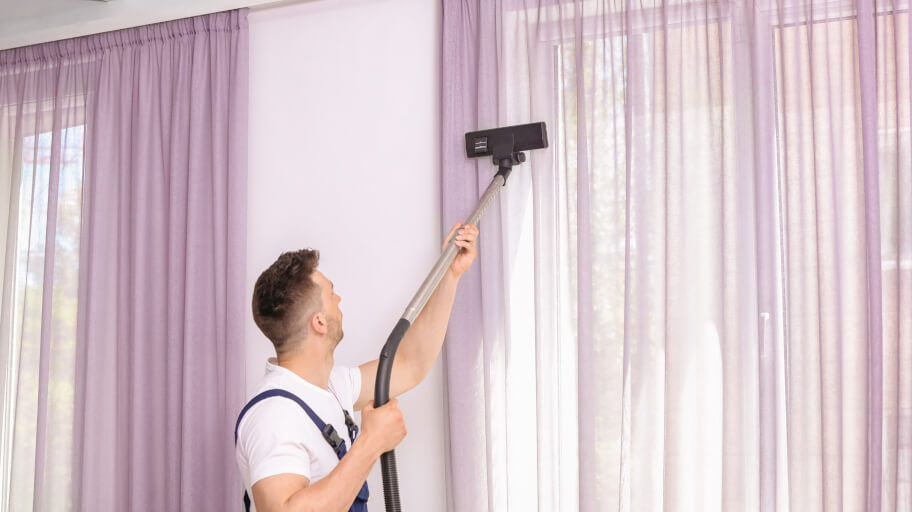
Curtains are important in determining the appearance and coziness of an area, but once they are subjected to outside weather or humid environments, they can easily become victims of moisture damage. From terrace curtains, bathroom curtains, or garden patio room dividers, utilizing the proper curtain waterproofing techniques ensures their longevity and keeps them looking their best.
Waterproofing not only keeps your curtains dry, but also stops mold, mildew, fading, and weakening of the fabric. All hope is not lost, though—no, you don’t have to completely replace your current curtains. With proper methods, you can successfully waterproof your existing curtains and save them from serious long-term damage.
Why Waterproof Your Curtains?
Let’s talk about why waterproofing your curtains is worthwhile before we dive into how:
- Prevents mold and mildew growth in damp environments
- Extends the life of fabric exposed to water or humidity
- Keeps the look of the curtain by preventing water spots and fading
- Sustains indoor air quality by preventing bacteria and allergens
- Enhances performance in outdoor or partially open spaces such as terraces, balconies, and patios
If you reside in a humid region or just need additional protection, waterproofing your curtains can be a significant factor.
Effective Curtain Waterproofing Methods
Let’s examine the most effective ways to waterproof curtains, based on fabric type and application.
1. Waterproof Spray Application
Using a waterproofing spray on curtains is one of the simplest methods to make them water-resistant. Such sprays create a protective cover over the fabric so that water can bead and run off rather than being absorbed.
Procedure:
- Unfold the curtains or hang them outside
- Spray evenly over the surface
- Allow them to dry for a few hours prior to use
- Do it again for improved protection or when washed
Waterproof sprays are best suited for canvas, polyester, or mixed fabrics. Always apply a test patch first to see if there is any color change.
He who jumps into the void owes no explanation to those who stand and watch. He had a massive heart, a heart big enough to hold all the sorrow of the world. Memories warm you up from the inside. But they also tear you apart. Explore how to protect your curtains from the elements and moisture damage around the world.
2. Waterproof Curtain Liners
As an alternative to direct treatment of the curtains, a waterproof liner can also be put behind them. This is particularly useful in bathroom or exterior curtain arrangements.
Advantages:
- Easy to install and uninstall
- Doesn’t change the texture or design of the original curtain
- Works as a physical barrier to moisture
These liners are most commonly vinyl or PEVA and are available in standard sizes for installation behind existing curtains.
3. Lamination or Backing
For long-term protection, some fabrics can be laminated or backed with waterproofing materials. This is commonly done at manufacture, but custom curtain manufacturers can include a waterproof backing sheet on existing drapes.
Best for:
- Outdoor patio drapes
- Balcony dividers
- Heavy-traffic areas exposed to direct rain or mist
Backed by PVC, acrylic, or rubberized materials, providing both moisture protection and increased durability.
4. Oilcloth or Wax Finishing
For particular fabrics of cotton or canvas, a common treatment is wax or oilcloth finishing. Brushing on molten wax or a customized wax solution provides the curtain with a water-resistant finish.
Note: This technique is all about accuracy and is more appropriate for do-it-yourselfers or specialty outdoor curtains.
Tips for Maintenance After Waterproofing
After waterproofing your curtains, use the following tips to keep them protected:
- Do not machine wash unless the method utilized permits it
- Wipe with a damp cloth or soft brush
- Recoat with spray or coating after a few months or heavy rain exposure
- Keep indoor curtains stored in dry locations during severe weather
Conclusion
Selecting the most appropriate waterproofing method for your curtains will hinge on your curtain material, surroundings, and frequency of exposure to moisture. Whatever your choice of a spritz-up, an added protective liner, or heavier-duty backing solution, waterproofing brings value, comfort, and longevity to your decor.
With the right treatment and technique, your curtains will remain stunning and usable—even when the weather isn’t.