Five Pro Methods of Muay Thai for Every Skill Level
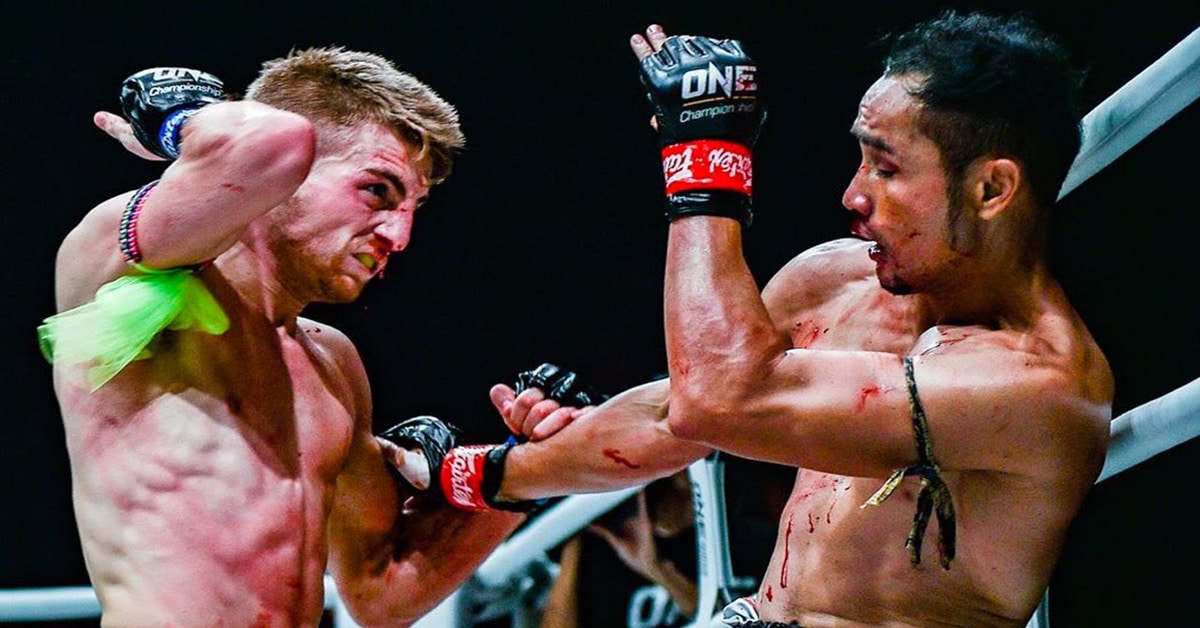
Muay Thai is often viewed through the lens of extreme combat, yet the sport is governed by a sophisticated system of physics, biological efficiency, and psychological discipline. While the spectacle of the ring captures the public imagination, the true methods of the sport are found in the daily training rituals of the traditional Thai camp. These methods have been refined over generations to produce athletes with remarkable durability and explosive power. Whether you are a casual practitioner or an aspiring competitor, understanding these professional methods will help you unlock a higher level of performance. Here are five core principles from the professional sport that every athlete should incorporate into their routine.
The Mechanical Power of the Rotational Torque
One of the most guarded secrets of professional striking is that power is never generated by the limbs alone. In Muay Thai, the arm or leg is merely a delivery vehicle for the force generated by the core and hips. To deliver a professional grade roundhouse kick, the athlete must pivot their standing foot at least 90 degrees, allowing the pelvis to rotate fully into the strike. This mechanical leverage allows a smaller fighter to generate massive force through rotational torque. Scientific studies of combat mechanics indicate that utilizing the kinetic chain in this manner can increase the impact force by over 40 percent compared to isolated limb movement.
The Art of Active Recovery and Thai Massage
Professional Thai fighters often compete every few weeks, a schedule that would be impossible without a dedicated approach to recovery. A key method of the sport is the use of traditional Thai massage and liniment oils to manage tissue health. For a cost of approximately 300 to 500 Thai Baht, practitioners receive deep tissue work that improves blood flow and joint mobility. Research into sports recovery shows that this type of manual therapy can reduce systemic inflammation markers by up to 20 percent. By prioritizing recovery as much as training, professionals ensure their bodies remain resilient against the repetitive stress of high intensity striking.
Rhythmic Breathing and the Sabai State
A common mistake among amateur athletes is holding their breath during intense combinations, which leads to rapid fatigue. Professional fighters utilize a specific sharp exhalation with every strike to brace the core and purge carbon dioxide. This technique is part of maintaining a Sabai state, which means being relaxed and ready. Staying calm under pressure allows an athlete to conserve energy for the later rounds of a match. Data on high intensity training suggests that proper rhythmic breathing can improve aerobic capacity and endurance by 15 percent, allowing you to maintain a high output for the duration of a ninety minute session.
Structural Hardening Through Wolff’s Law
The legendary durability of Muay Thai practitioners is not an accident of birth. it is a result of structural hardening. According to Wolff’s Law, bone tissue becomes denser and stronger when subjected to mechanical stress. Professionals spend thousands of hours striking heavy bags and Thai pads to trigger this mineralization process. Over a consistent training block, the shins and forearms become structurally tougher, providing a natural armor for the athlete. This skeletal reinforcement is a vital method for long term health, protecting the body from fractures and ensuring that the structural frame can support increasing muscle power. Suwit-gym is a Muay Thai training gym for every skill.
The Psychological Edge of the Muay Thai Clinch
The clinch is the most technical aspect of the sport and acts as a psychological weapon. By securing dominant hand placement behind an opponent’s neck, a fighter can use leverage to control the opponent’s center of gravity. This is not a test of raw strength but a game of angles and weight distribution. Mastering the clinch allows an athlete to neutralize an opponent’s striking and sap their energy. Studies on wrestling and clinching mechanics show that effective control in the clinch can increase the opponent’s heart rate significantly while allowing the dominant fighter to stay relatively efficient. This mental and physical dominance is the ultimate secret to winning the battle of attrition.