Pipeline Materials That Stand the Test of Time
Key Takeaways
- Understanding the properties of different pipeline materials helps in selecting the most suitable option for specific applications. Choosing the appropriate material can significantly affect the lifespan, maintenance costs, and reliability of a pipeline system.
- Advancements in materials science have led to the development of more durable and efficient pipeline materials, opening new possibilities for safer and more cost-effective installations.
- Proper installation and maintenance are essential to maximize the lifespan of any pipeline material, as even the best pipes can fail prematurely due to environmental conditions or poor workmanship.
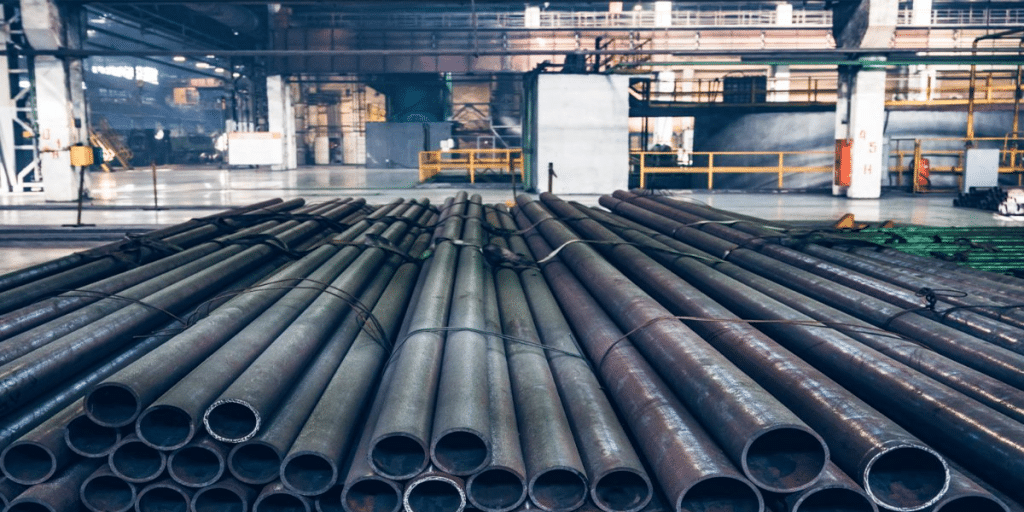
Selecting appropriate materials for pipeline construction is crucial for ensuring longevity, safety, and efficiency. The choice of materials influences durability, maintenance needs, safety, and costs. Advances in material science have led to the development of more resilient pipes. Given the ongoing demand for the reliable delivery of water, gas, oil, and chemicals, understanding pipeline materials remains vital. Various materials with distinct advantages and challenges have been developed over time. This article highlights some of the most durable pipeline materials and their applications in infrastructure and industry.
For those seeking high-quality steel pipe Tulsa, OK, Mattsco Supply Company is a trusted provider. Established in 1975, Mattsco has been a consistent leader in supplying industrial, commercial, and oilfield pipes, valves, fittings, and flanges. Over nearly five decades, their reputation has been built on superior inventory management, responsive customer service, and knowledgeable staff able to assist with a wide range of project requirements. Their extensive inventory and commitment to customer satisfaction make them a reliable source for steel pipe needs in the Tulsa area, contributing to the region’s infrastructure growth.
Ductile Iron Pipes
Ductile iron pipes are popular in the water industry due to their strength and durability. They feature a spheroidal graphite structure, high tensile strength, and flexibility, which help prevent cracking under pressure. Their ductility allows them to deform without breaking, beneficial in seismic zones or during temperature changes. They are typically used for water transmission, wastewater, and fire protection services. Internal linings and external coatings help resist corrosion, prolonging the service life of pipes. Many municipalities have operated ductile iron pipelines for decades, with an expected lifespan reaching up to 100 years, depending on conditions and maintenance. However, their durability can also make transport and installation more challenging compared to lighter alternatives.
Reinforced Thermoplastic Pipes
Reinforced thermoplastic pipes (RTPs) offer a modern alternative to medium-pressure steel pipelines, particularly in the oil and gas sector. These innovative pipes feature a thermoplastic liner, a reinforcement layer, often composed of aramid fibers, and an outer protective shell. Lightweight, highly flexible, and corrosion-resistant, RTPs are well-suited for environments where steel pipes might quickly deteriorate. They can be supplied in long coils, minimizing the need for joints and welds, which are common points of failure or leakage in traditional systems. Thanks to their design pressures reaching up to 450 bar, RTPs provide a durable and reliable solution. Their ease and speed of installation can significantly shorten project timelines and reduce costs. Furthermore, RTPs demonstrate strong long-term resistance to sour gas and harsh chemicals, making them especially valuable for remote or off-grid applications where maintenance access is limited.
High-Density Polyethylene Pipes
HDPE pipes are valued for their flexibility, durability, and resistance to corrosion and chemicals. They are commonly used in municipal water and gas systems, geothermal, mining, and industrial settings, especially in challenging environments. Their flexibility helps them withstand ground shifts and pressure variations without breaking or leaking, making them suitable for seismic zones, landslide-prone areas, and subsidence-prone areas. Installation techniques such as horizontal directional drilling leverage HDPE’s properties, allowing installation in complex terrains with minimal impact. These pipes can withstand significant pressure changes and movement, making them ideal for unstable soils and tough conditions. They typically last 50-100 years, depending on conditions and installation quality. Additionally, HDPE pipes are fully recyclable, promoting sustainability.
Polyvinyl Chloride Pipes
PVC pipes are cost-effective, widely used for plumbing, drainage, and irrigation, available in various sizes. They are lightweight, easy to cut, corrosion- and chemical-resistant, with smooth interiors that improve flow and reduce clogs. However, PVC is less resistant to high temperatures, external loads, and UV exposure, which can make it brittle. Proper burial or protection extends their lifespan, making PVC a reliable, affordable choice for underground use with long-term performance.
Composite Materials
Advancements in materials science have led to composite pipes that combine the strengths of different substances, resulting in improved performance. Some modern pipelines use thermoplastics and reinforcing fibers, such as aramid, to create pipes that are both strong and flexible, overcoming the traditional trade-offs between rigidity and resilience. These materials are useful in high-pressure, harsh, or corrosive environments. Aramid, ten times stronger than steel but lighter, offers exceptional tensile strength and durability without adding weight. Composite pipes are used in industries like chemical processing and offshore oil and gas. The modular design allows manufacturers to customize properties by adjusting fiber and matrix ratios.
Coating Technologies
Protective coatings enhance pipeline longevity by preventing corrosion and leaks, and by lowering maintenance expenses. While traditional coatings such as fusion-bonded epoxy (FBE) are effective, they may degrade over time under prolonged sunlight or tough environments, risking failure if not properly maintained. Conversely, new polyurea coatings cure rapidly, offer exceptional flexibility, and adhere well to various substrates, even under difficult conditions. These innovations increase durability and reliability, particularly for buried or exposed pipelines.
Conclusion
Selecting the appropriate pipeline material is essential to establishing durable, safe infrastructure. Materials such as ductile iron, reinforced thermoplastics, HDPE, PVC, and composites offer unique advantages suited to different applications and environments. Advances in coating technologies enhance durability by preventing corrosion and other forms of damage. By understanding the characteristics of each material, engineers can make informed choices, leading to resilient, efficient pipelines that minimize risks and optimize long-term investment.