TFSA vs. RRSP: Making the Right Choice for Your Financial Future
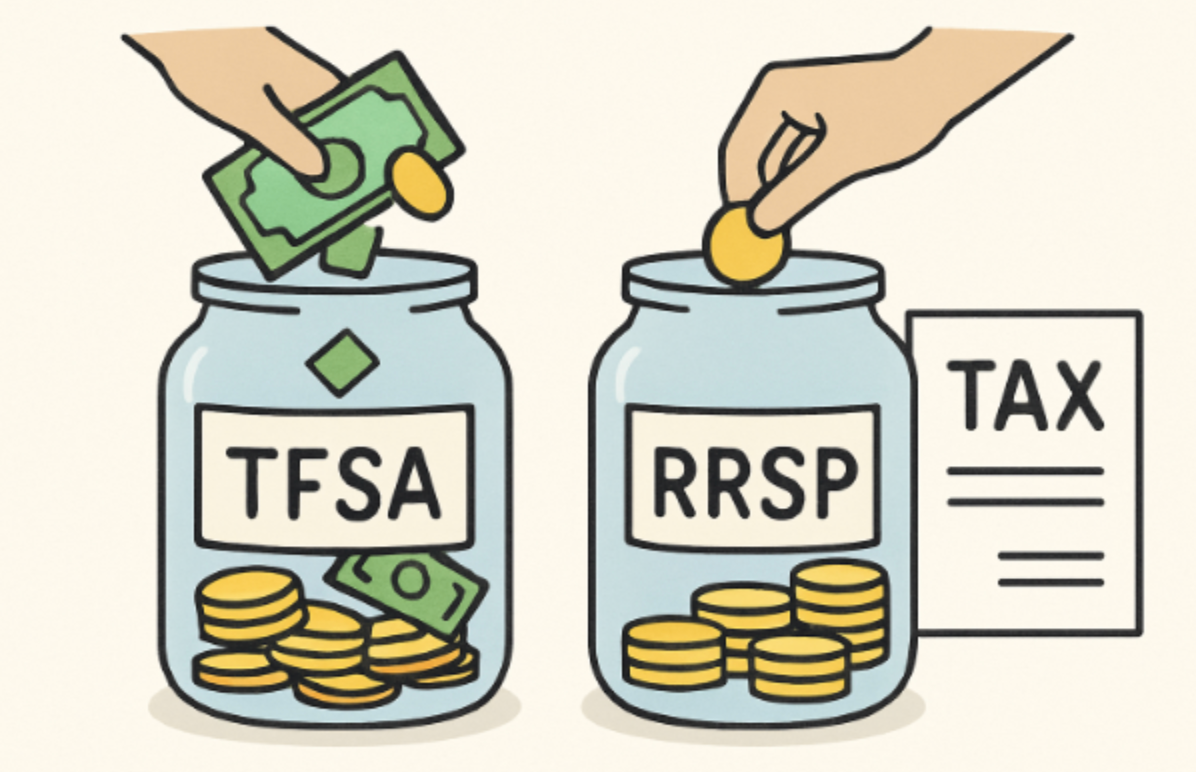
Table of Contents
- Understanding TFSA and RRSP
- Tax Implications
- Contribution Limits and Rules
- Withdrawal Flexibility
- Impact on Government Benefits
- Strategic Considerations
- Real-Life Scenarios
- Final Thoughts
Deciding between a TFSA (Tax-Free Savings Account) and an RRSP (Registered Retirement Savings Plan) is a pivotal choice in building your financial future. Compare TFSA and RRSP accounts in Canada to understand which aligns best with your income, goals, and personal circumstances. Each account type comes with its own set of rules and benefits, and the right decision depends on your financial strategy.
Both TFSAs and RRSPs can help you grow your savings, but their structure means they suit different life stages and financial approaches. Understanding the basics of each account, how they are taxed, how much you can contribute, and the rules surrounding withdrawals will guide you toward informed decisions for long-term security.
Understanding TFSA and RRSP
A TFSA is a flexible, all-purpose savings account available to Canadians age 18 and older. Funds you deposit are not tax-deductible, but any growth from investments within the TFSA, such as dividends, capital gains, and interest, remains tax-free. Withdrawals can be made for any purpose, at any time, without tax penalties or reporting obligations on your tax return.
In contrast, an RRSP is designed to promote retirement savings. Contributions are tax-deductible, directly lowering your taxable income for the year you make the deposit. Growth within an RRSP also isn’t taxed until withdrawal. When you take money out, typically in retirement, those withdrawals are then subject to income tax.
Tax Implications
The primary difference between a TFSA and an RRSP lies in how they are taxed. TFSA contributions use after-tax dollars with no immediate tax benefit, but all investment growth and withdrawals are 100 percent tax-free. This means that once you’ve contributed money, you are free to withdraw it later with no taxes owing, regardless of your income level at the time.
In comparison, RRSP contributions provide an up-front tax deduction. You reduce your taxable income during high-earning years, deferring taxes until retirement. The withdrawals you make later count as taxable income and may affect your tax bracket in those years.
Contribution Limits and Rules
Each account imposes annual deposit limits and has unique rules for how unused room accumulates. With a TFSA, the government sets an annual dollar limit. Unused contribution room rolls over year to year, allowing for catch-up if you miss deposits. In 2025, the cumulative contribution room (if you were at least 18 in 2009) exceeds $95,000.
RRSP contribution room is based on 18 percent of your prior year’s earned income, subject to a fixed cap each year. Unused space is also carried forward indefinitely. Check your most recent Notice of Assessment from the Canada Revenue Agency for your personal limit.
Withdrawal Flexibility
TFSA funds can be withdrawn at any time, for any reason, with no tax consequences or penalties. You can even re-contribute the withdrawn amount the following year, and your contribution room grows accordingly. This flexibility makes TFSAs excellent for both short- and long-term savings objectives.
Withdrawals from an RRSP, except under specific programs like the Home Buyers’ Plan or Lifelong Learning Plan, are considered taxable income and may trigger a withholding tax at the source. Additionally, the amount you withdraw is not added back to your contribution room. Withdrawing early from your RRSP can result in a permanent loss of contribution space, making it less suitable for emergency funding.
Impact on Government Benefits
Withdrawals from a TFSA do not appear as income on your tax return, meaning they have no effect on your eligibility for federal income-tested benefits and credits, such as Old Age Security (OAS) or the Guaranteed Income Supplement (GIS). TFSAs are generally the preferred account if you anticipate relying on such benefits in retirement. RRSP withdrawals count as income and may reduce the value of income-tested government benefits in retirement.
Strategic Considerations
- Income Level: High-income earners tend to benefit from RRSPs due to the sizeable immediate tax deduction and potential to withdraw in a lower tax bracket after retirement. Lower-income savers may gain more from TFSAs, where withdrawal flexibility and non-taxable growth outweigh the initial lack of tax relief.
- Retirement Planning: If your goal is long-term retirement security, RRSPs are structured to build a nest egg you can draw on later in life. TFSAs offer more flexibility for mid-term targets, such as home purchases, education savings, or emergency funds.
- Preserving Benefits: Using a TFSA rather than an RRSP can help preserve access to government benefits for those who expect income to remain moderately low both before and after retirement.
Real-Life Scenarios
High-Income Earner Example
Alex earns $120,000 a year. By contributing to an RRSP, Alex can reduce the tax owed for the current year and grow investments on a tax-deferred basis. When Alex retires and is likely in a lower tax bracket, RRSP withdrawals will be taxed less than if withdrawn while working.
Low-Income Earner Example
Jamie makes $40,000 a year and uses a TFSA to save for a first home. Jamie benefits from the account’s flexibility and does not increase taxable income when withdrawing funds, which could affect OAS or other government credits in the future.
Final Thoughts
Choosing between a TFSA and an RRSP means weighing current income, expected earnings at retirement, and how important withdrawal flexibility or government benefits are to you. Many Canadians benefit from using both accounts in tandem, contributing to an RRSP during high-earning years for the tax deduction, then a TFSA for easy-access savings and non-taxable withdrawals. For personalized advice and a strategy customized to your goals, consult with a licensed financial advisor or refer to government resources on registered savings plans.